8 minute read
Now that we’ve established a few general guidelines, we can start shaking things up! So, this month we’ll break down some of the ”rules” of wine pairing and debunk a few myths.
Where do these rules or myths come from?
Pairing wine with food is a centuries old practice, and as such, has acquired a few notions that don’t always (or no longer) pan out. Last month, I talked about the old, albeit ultimately unhelpful adage, ”what grows together, goes together,” which comes from a time when cuisines and wine styles from a region grew up together and were therefore complimentary. In today’s increasingly globalized world, wines are produced from diverse terrains to which their grapes are foreign. This expansion along with technology and climate change have rendered that adage quaint and somewhat irrelevant.
You may have heard another one about wine quality: “wines with screw cap closures are never as good as those sealed with corks.” This may have been true a few decades ago, but the technology of screw caps has developed substantially since then. Indeed, there are many articles written about the merits of screw caps. This one by Wine Enthusiast starts with an anecdote about wines from Australia‘s best known producer being exported with different closures depending on their destination country. It goes to show: winemakers know how to match the quality of their wine with the proper closure, but if consumers think differently, the wines just won‘t sell as well. Crazy huh?

Other generalizations about wine or wine pairings may be based on bad experiences or unfortunate circumstances, like “all Rieslings are sweet” (I offer one explanation for this gross misconception in my Riesling Auslese post from September).
Still others are the product of romanticization and good marketing, like “chocolate goes best with red wine.“ Honestly, I‘d rather drink almost anything *other* than red wine with my chocolate: the astringency and bitterness from the tannins in red wine amplify the bitterness and tannins in chocolate (yes, chocolate has tannins too!). The sugar in the chocolate almost always outweighs the sweetness in red wine, which makes the wine taste sour. And the acidity in the wine is likely to make the chocolate taste even more bitter. All of these characteristics compound on each other, too, so with each bite and sip, the astringency, bitterness, and sourness are getting stronger and stronger.
Not really my idea of a romantic evening.
Wine pairing myths for plant-based dining.
When it comes to wine pairings – especially with plant-based dining – it seems nearly everyone has an opinion. So I want to delve into some urban legends or hand-me-down mentalities that are particularly salient for plant-based diners.
Myth 1: Red wines don‘t pair well with vegetables
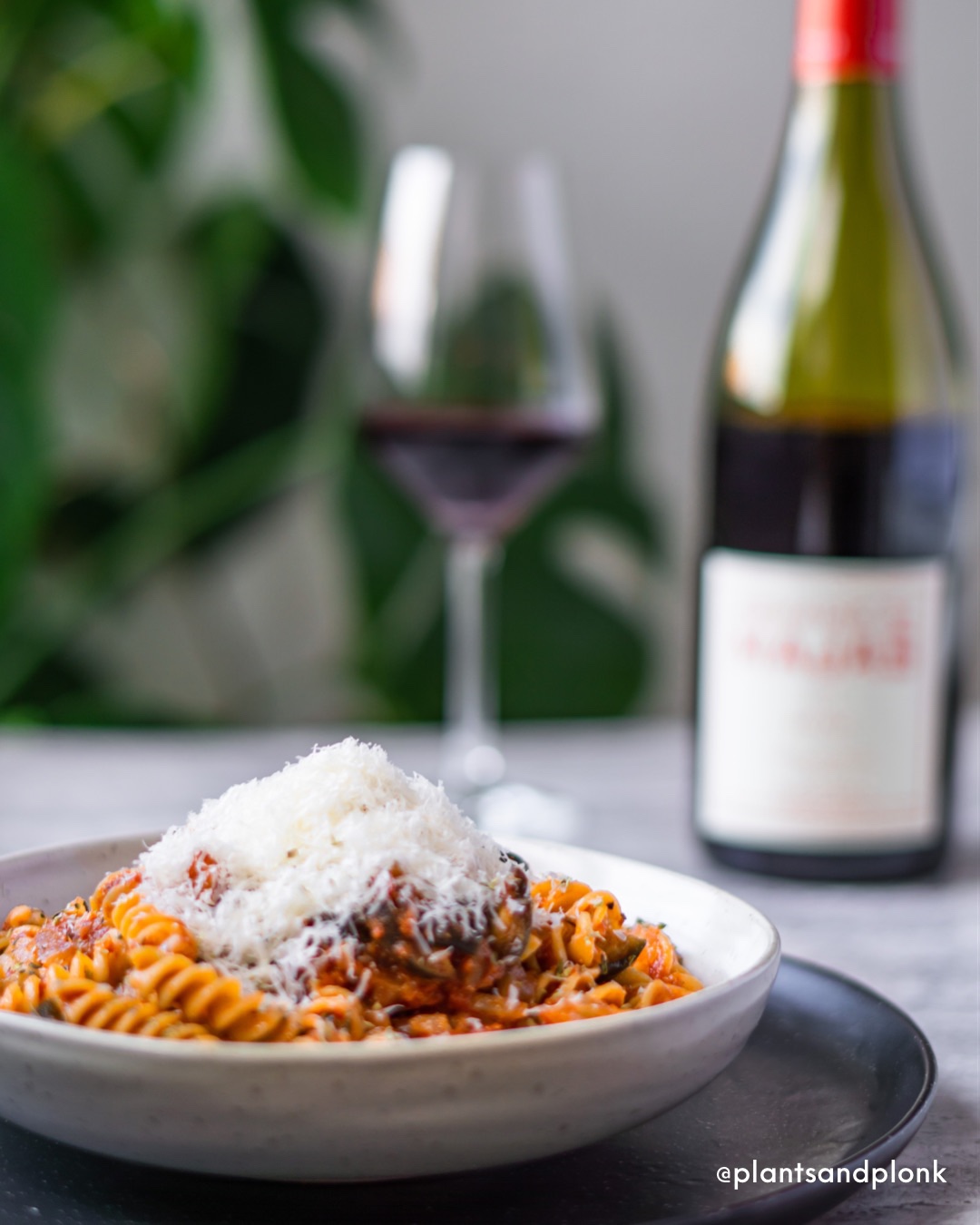
A lot of people seem very attached to the idea that if you’re only eating plants, then you’re not really going to be drinking red wine. (Cue extremely bewildered facial expression.) I wonder if this comes hand-in-hand with conflating a plant-based diet with a diet that consists primarily of raw kale, wheat grass and quinoa.
Whatever the case, it’s patently untrue. There are plenty of plant-based dishes that can hush even the loudest tannins, especially given the amazing availability of plant-based meats now. Even without the meat (plant-based or not), we’ve seen that tomato sauces, hearty soups, and curries love red wine due to their textural characteristics, high protein content, and earthy spices.

Myth 2: Wine doesn‘t pair well with spicy food
This is a harsh mentality writ large, but it can be particularly crippling for plant-based eaters who gain a lot of diversity by adding a little heat. I think the idea that spicy food and wine are unhappy bedfellows may come from an ignorance about how hugely diverse wine styles are. But you don’t have to branch out too far to solve this “problem.” With spicy food, it’s important to keep acidity and perceptible sweetness in mind, both within the dish and with the accompanying wine. A bit of residual sugar in a wine and elevated acidity go a long way to quieten the warmth from spicy foods (grapes like Riesling and Chenin Blanc are a great place to start). For reds, you’ll want to stay on the lighter, younger, riper side of things (try a Pinot Noir or Zweigelt) – watch out for the alcohol level, though. Wines with a higher ABV percentage can increase that burn.
Check out my pairings with Dal Tadka, Korean Banchan or Mapo Tofu for some examples that easily debunk this myth. And stay tuned for a several more down the line (including one this month).

Myth 3: Some wines are only for specific seasons or for special occasions
This is the gastronomic equivalent of not wearing white after Labor Day (an antiquated US fashion tip). If we’re only allowed to drink rosé in the spring and summer or I have to save my sparkling wine for my birthday, then I’ve just limited myself to a pretty narrow set of pairings.
Don’t be silly! Please, please, enjoy rosé all year round. Rosés are a great companion to food, especially when it’s veggie-centric. They’re very flexible and span a wide gamut of styles, from light and crushable to robust and hearty. For an example of the latter, check out my post from September on Chilean rosé.
Also, for Pete’s sake, don’t save that sparkling wine for the “right” occasion. Life is too short, and sparkling wine is possibly the most flexible wine for food-pairing. It doesn’t have to be Champagne – there are delicious effervescent options from around the globe. In fact, I trespassed both these “rules” in one fell swoop with my Spanish Txakoli rosado pairing in October.
An even deeper problem of this ideology arises when people believe that wine pairing in general should be reserved for restaurants or formal dinners, where both the food and wine can extract a pretty penny. My goal with Plants and Plonk is to show the ways we can enjoy wine and food pairings affordably in the comfort of our favorite sweats at home.
Myth 4: Red wines pair best at room temperature and everything else should be served directly from the fridge
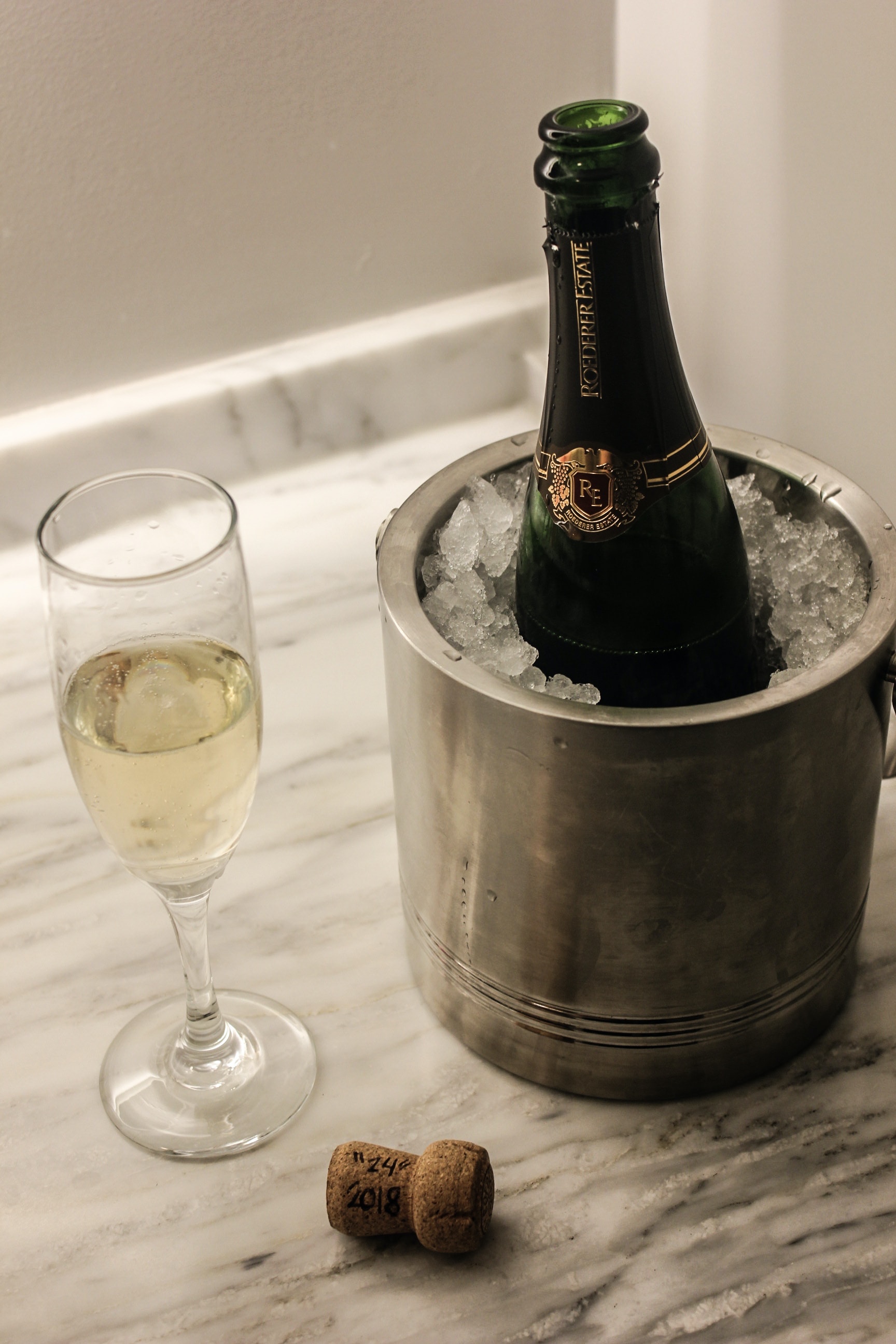
This one is subtle, but more important than you might think. Temperature has a surprising impact on food and wine – ever had a burger off the grill that was still cold in the middle? Or eaten a piece of fruit that had been sitting in the sun for too long? Wine responds similarly – and it should seldom, if ever, be drunk at room temperature (usually around 72°F or 22°C).
This notion is old and likely comes from a time when wine drinkers were imbibing in the comfort of drafty, stone-built homes where the “room temperature” was closer to 60°F (15°C). Brrrrr!
Housing these days is thankfully much warmer, but we haven’t adjusted for wine! Most reds are served too warm, which can really flatten the wine, suppressing the fresh flavors and acidity and emphasizing its bitterness and alcohol.
White wine and rosés on the other hand, are often served way too cold, which will also suppress flavor and aroma characteristics in addition to emphasizing acidity and masking any flaws. If the flavors are out of balance with the other aspects of the wine, pairing it with food will be much harder. I find this to be especially true for plant-based food, where flavors aren’t coming from heavy hitters like dairy or animal fat.
To combat these issues, I store my wines at room temperature and pop them in the fridge for 20 minutes to an hour before serving, depending on the wine. (I include serving temperature suggestions in all of my “About this Wine” images.) If you’re in a rush, you can go straight for the freezer for 10 to 15 minutes (just don’t forget it!). Or even pour a half glass straight out of the room temperature bottle and chill it down until it’s cool enough. You don’t need to be exact, but with just a little effort, I promise you, your pairings will be that much better!
Just do me a favor, though, don’t add ice to your wine. It will water down the flavors and mess with all the beautiful chemistry in your glass!
Myth 5: Food should only be paired with wine
Yes, you read it right. Not all pairings need to be wine-centric.
This one may seem a bit risky for a blog that’s expressly about wine, but I’m trying to keep it real – there are loads of nuanced, delicious beverages out there. Some of them are alcoholic and some aren’t.
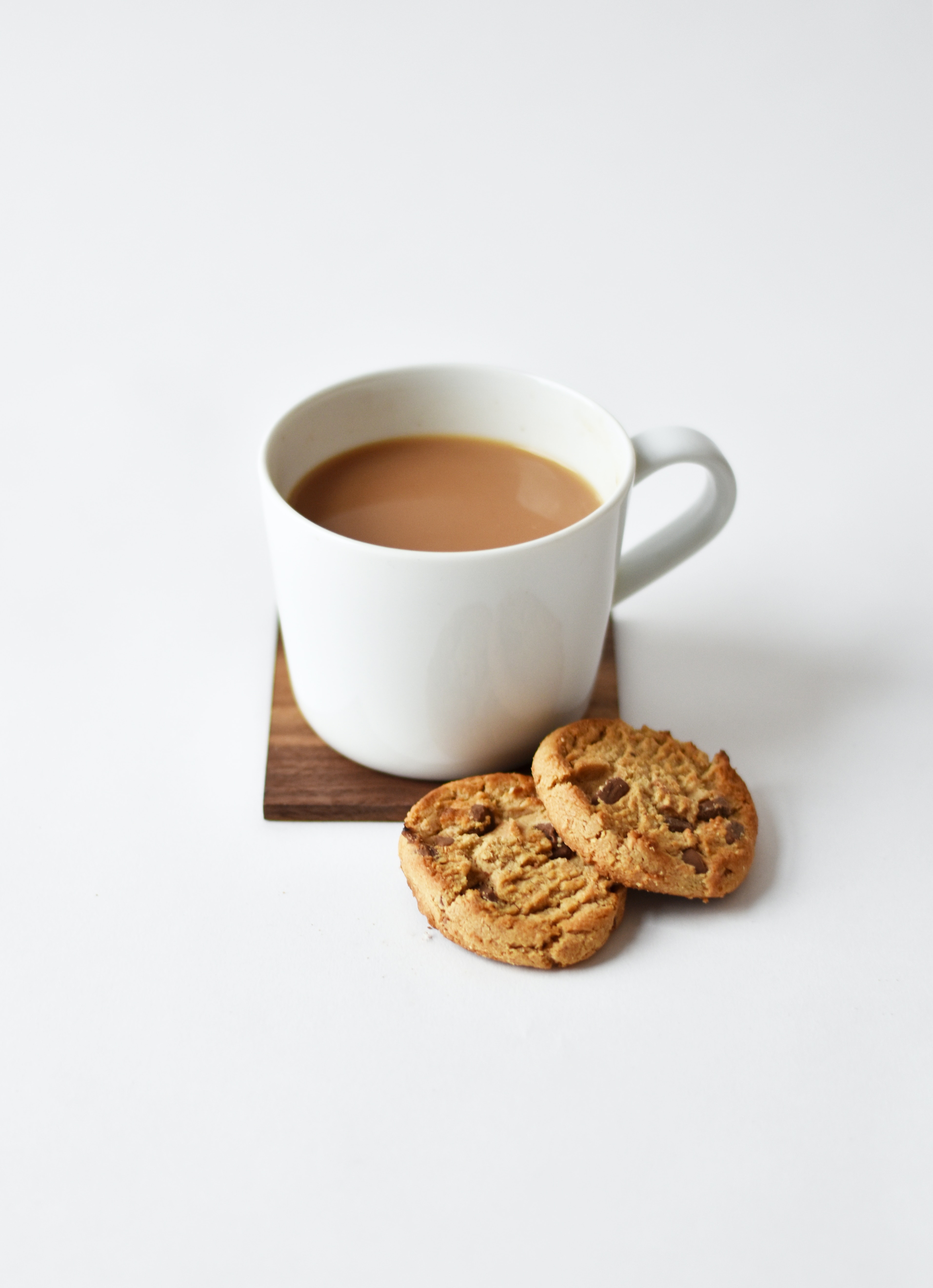
Back in my blissful gluten-consuming days, one of the best pairings I had was a chocolate stout with vanilla ice cream. And I still think the best accompaniment for a chocolate chip cookie is a warm cup of milky English breakfast tea.
There are also some delicious craft cocktail pairings out there. And more and more restaurants are offering tea, juice and other non-alcoholic pairings alongside their wine menu.
Obviously, this account is wine-heavy, but I’m legitimately excited to experiment with other beverage pairings for plant-based food. And while I won’t be featuring any beer or cocktails here, I might have a surprise or two up my sleeve for early next year. ::wink::
Myth 6: I don‘t know anything about food and wine pairing
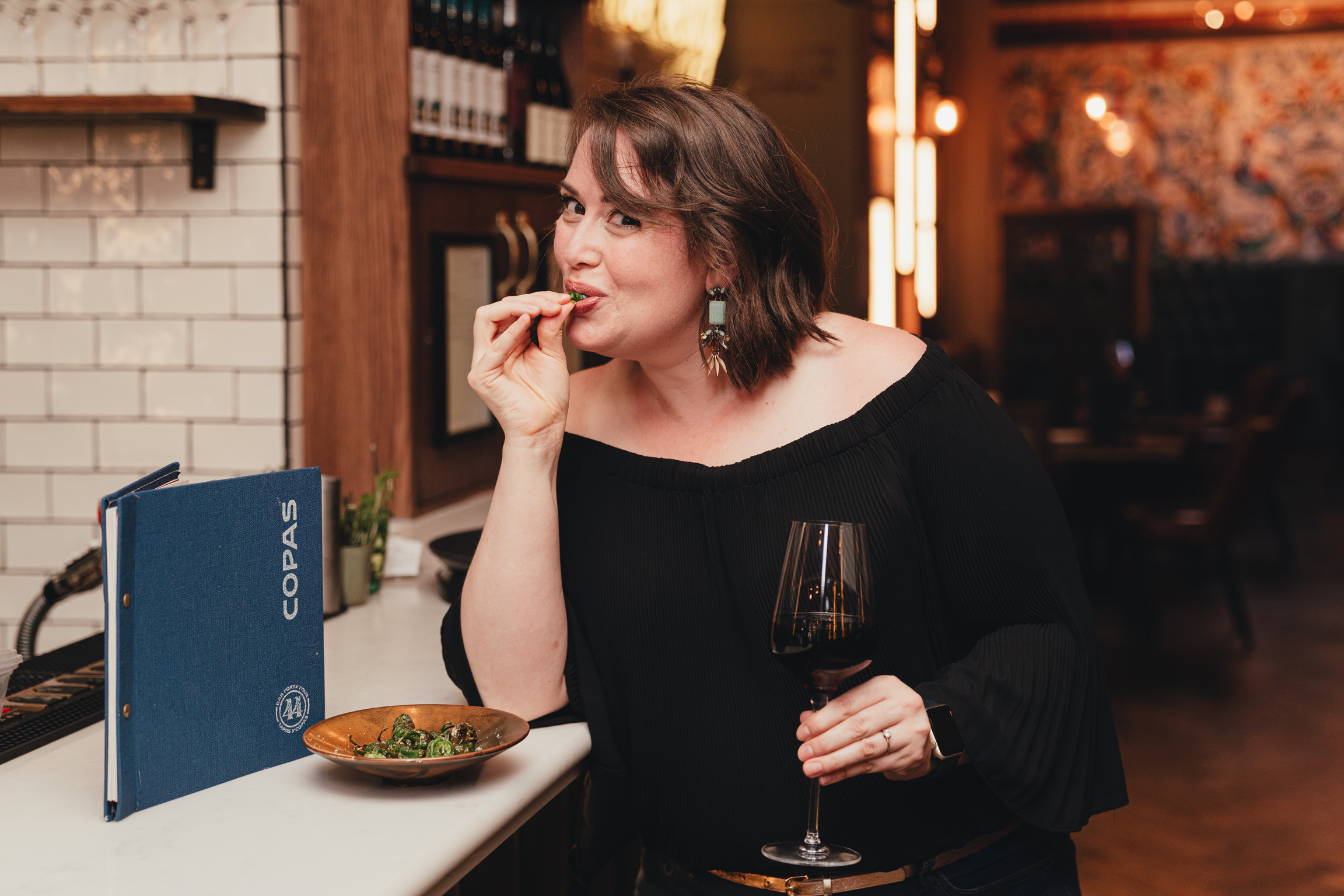
This is the biggest myth of all. You may not know the intricacies of pairing, or even the basics. But you know what you like. And that’s honestly the most important thing! If you want to pick up some tips and tricks, that’s what I’m here for. But otherwise, go forth and play! Experiment!
Or, you know what? Just stick to what you like.
At the end of the day, the only real rule is to drink what you like with whatever you want to eat.
Cheers to that!

 celeste radosevich