6.5 minute read
Jump to section: about the wine || about the pairing || recipe

Another day, another South African Chenin Blanc. Except this one is…::drumroll:…orange!
::and the crowd goes wild::
Call it what you want: orange, amber, extended maceration, skin contact, whatever, but these wines are no longer coming out of left field, or delegated to the hipsters and natural wine fanatics. They’re right smack dab in the middle of the field, now. (Ok, maybe center-left…or something. I don’t really watch basketball.) Whatever the case, they’re here to stay!
Still, like almost all phenomena that move from the margins to the mainstream, someone had to fight to show the world they were worthy of it. And Craig and Carla Hawkins, the makers of this wine, were early members of what Simon Woolf (a champion of these wines) calls “The Amber Revolution.“
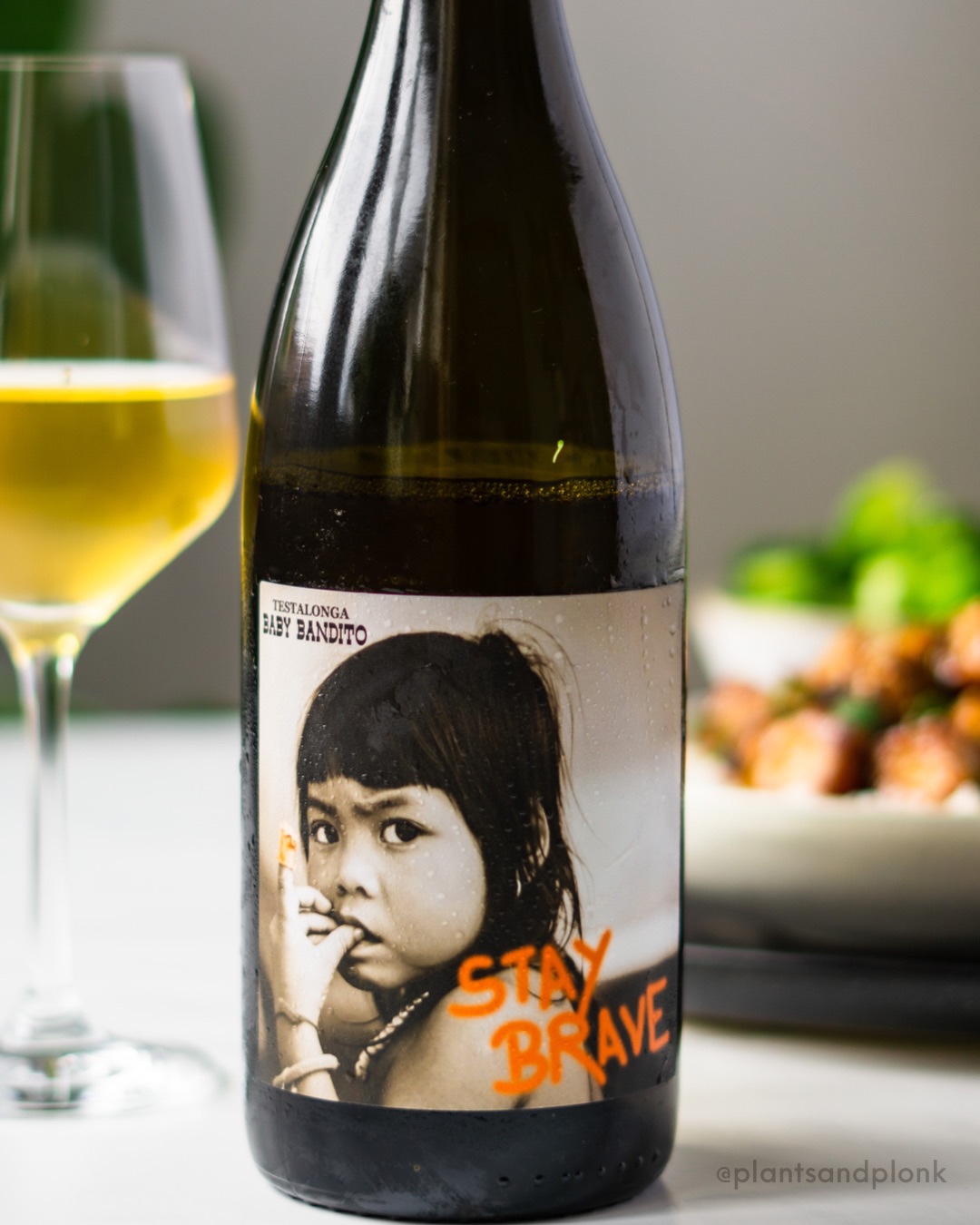
The name of their wine label, Testalonga, even references the rogue nature of the views they espouse. The name references a notorious Sicilian outlaw (or “bandit” – their sub-labels include the name “bandito”) from the 1700s. Testalonga, serendipitously, is also the name of a winemaker friend of the Hawkins who mentored Craig for a time.
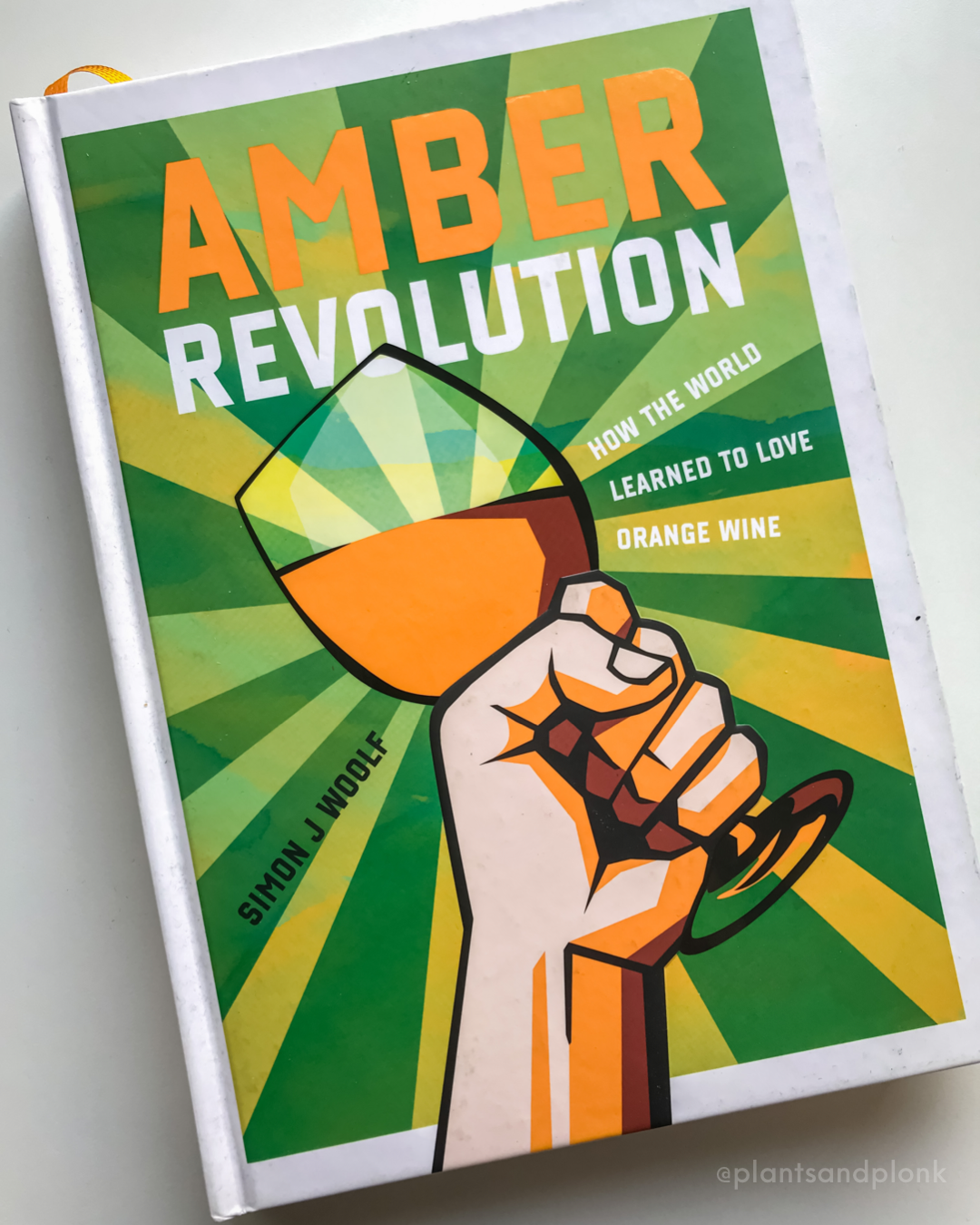
What are orange wines?
The making of skin contact white wines is part of a larger movement towards low intervention grape growing and winemaking – often referred to as the Natural Wine movement (for more information about natural wine, see my post on Domaine de Majas). It’s all about getting back to older, tried and true techniques that produce wines whose flavors reflect the land and the grapes from which they come.
Orange wine is sort of the best way to do that with white grapes, since it’s made by letting the skins of the grapes rest on the grape juice for an extended period of time. (Surprise! It’s not made by blending orange juice into wines.) There are color and flavor components in the skins of any grape, so the longer the skins are left in contact with the juice, the more color and flavor is transferred to it (the alternative name “skin-contact” wines). This process is sort of reminiscent of the way red wines are made, but with red-skinned grapes (of course). I’ll cover more on orange wines in February.
Jump to section: about the wine || about the pairing || recipe
Orange wines may seem brand new to many of us, but they’ve actually been around longer than the barely-there whites we’re so accustomed to. They just went out of fashion for a while. 🙂
About Testalonga Wines
Orange wines were still “out” when Testalonga made their first wine in 2008 – which was of course, a skin-contact Chenin (what else?). South Africa has a fairly conservative culture of grape growing and winemaking. (Check out more tidbits about South African wine in the notes below.) So when the Hawkins founded Testalonga on the principles of organic farming and minimal intervention winemaking, their peers saw them as rogue. When it came to distribution, the wine authorities wouldn’t approve Testalonga’s then unconventional wines for quality certifications or even for export. It wasn’t an easy road to hoe, but it does at least appear they chose the right name for the label.

Fast-forward a decade and the fight clearly paid off. Testalonga is now one of the most iconic South African wine labels. They export to at least 29 countries and have built a reputation for high quality, finessed wines. Their revolutionary beginnings have become a charming story to accompany these wines at the table.
About Baby Bandito Stay Brave
These kinds of wines can take some getting used to, since their unique flavor combinations are quite distinctive from more conventional whites and reds. Funnily enough, these are often good wines for craft beer drinkers, as the flavor profiles can overlap. (That also means orange wines can fill a void for pairing foods with wines!)
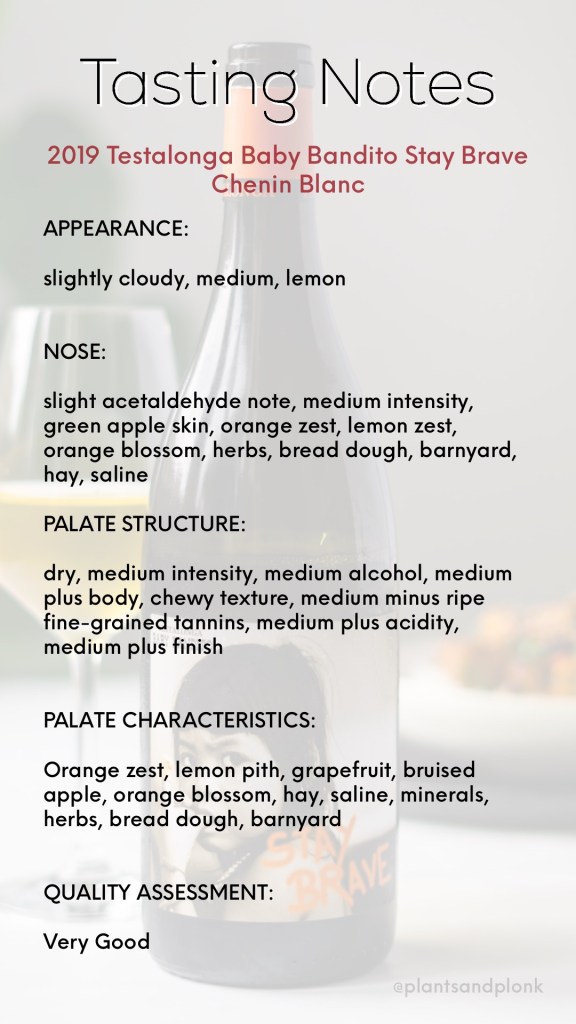
This one has some really cool complexity with clementine, lemon and green apple fruit characteristics, orange blossom florality and undertones of ginger, hay and smoke (find full tasting notes below). It’s totally dry, but has a chewy, fuller body and elevated acidity typical of Chenin Blanc. The aspect that may most surprise newcomers to these wines is the grip – a wine made from white grapes has tannins! Here they’re nice and ripe and definitely on the subtle side.
I could gladly sip this all day by itself. But I wanted to experiment with the pairing…
Jump to section: about the wine || about the pairing || recipe
Pairing Food with Baby Bandito Stay Brave
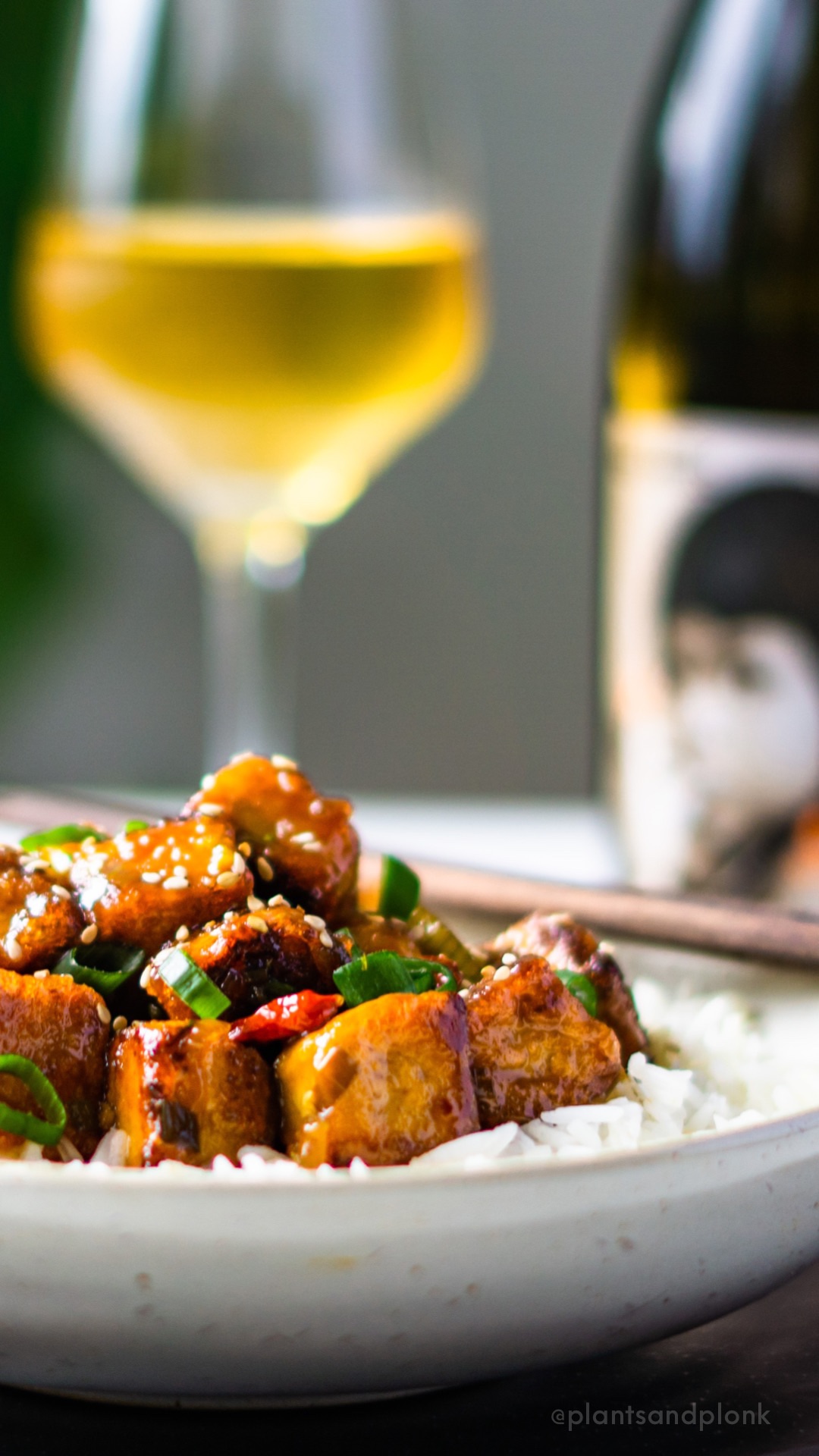
The ginger and citrus flavors of this wine along with its tannins made me want to pair it with a protein-dense food that has similar flavors. And I knew the acidity could stand up to a richer dish. So this time I did go for something a little out of left field – General Tso’s Tofu.
I know some would say this isn’t a particularly holiday-friendly pairing, but I beg to differ. I would place money on the fact that when we get together with our families, we’re not enjoying multi-course home-cooked meals every night. And this beloved American takeout classic is perfect for when the leftovers run out.
Plus, the rich, cornstarch-thickened sauce has the orange zest and ginger notes this wine was begging for, not to mention the proteinalicious tofu.
I was only worried about one thing – the General Tso’s sauce is quite sweet. And this wine is dry. There’s a maxim in wine pairing that the wine should always be sweeter than the food. But is that just for desserts? Or is this a myth that needs busting? ::cue me twisting the ends of my handlebar mustache::
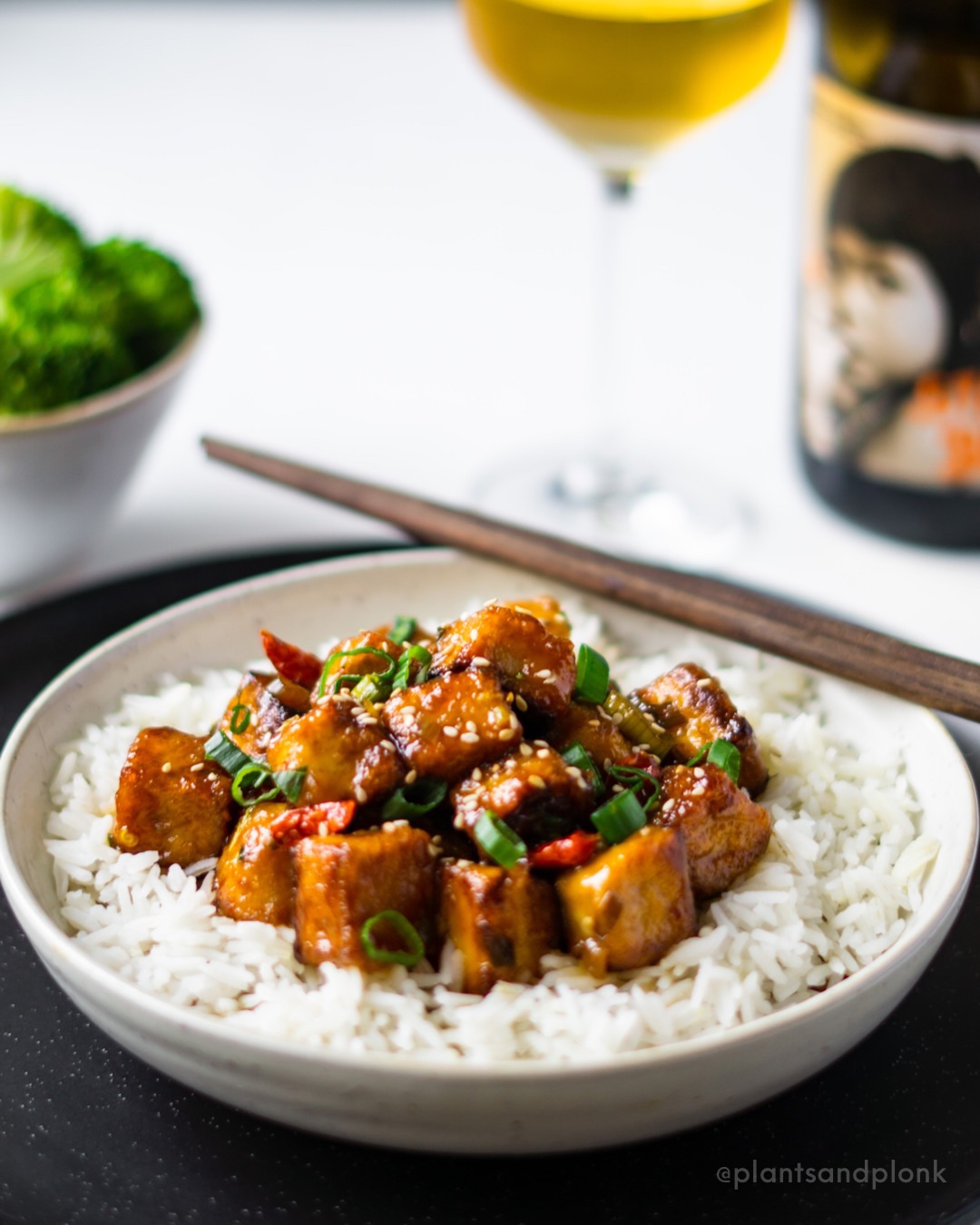
So, how did it go?
Well, myth or not, this dry wine definitely worked with a sweet sauce! I was legitimately surprised by how good this pairing was, but maybe I oughtn’t have been.
I forgot that there’s an internal balance to this dish. General Tso’s is a proper umami bomb, and it happily balanced out both the internal sweetness as well as the earthier flavors from the wine. That left the wine’s fruit and spice notes free to complement parallel flavors from the food. The citrus packed acidity also cut right through the richness of this dish.
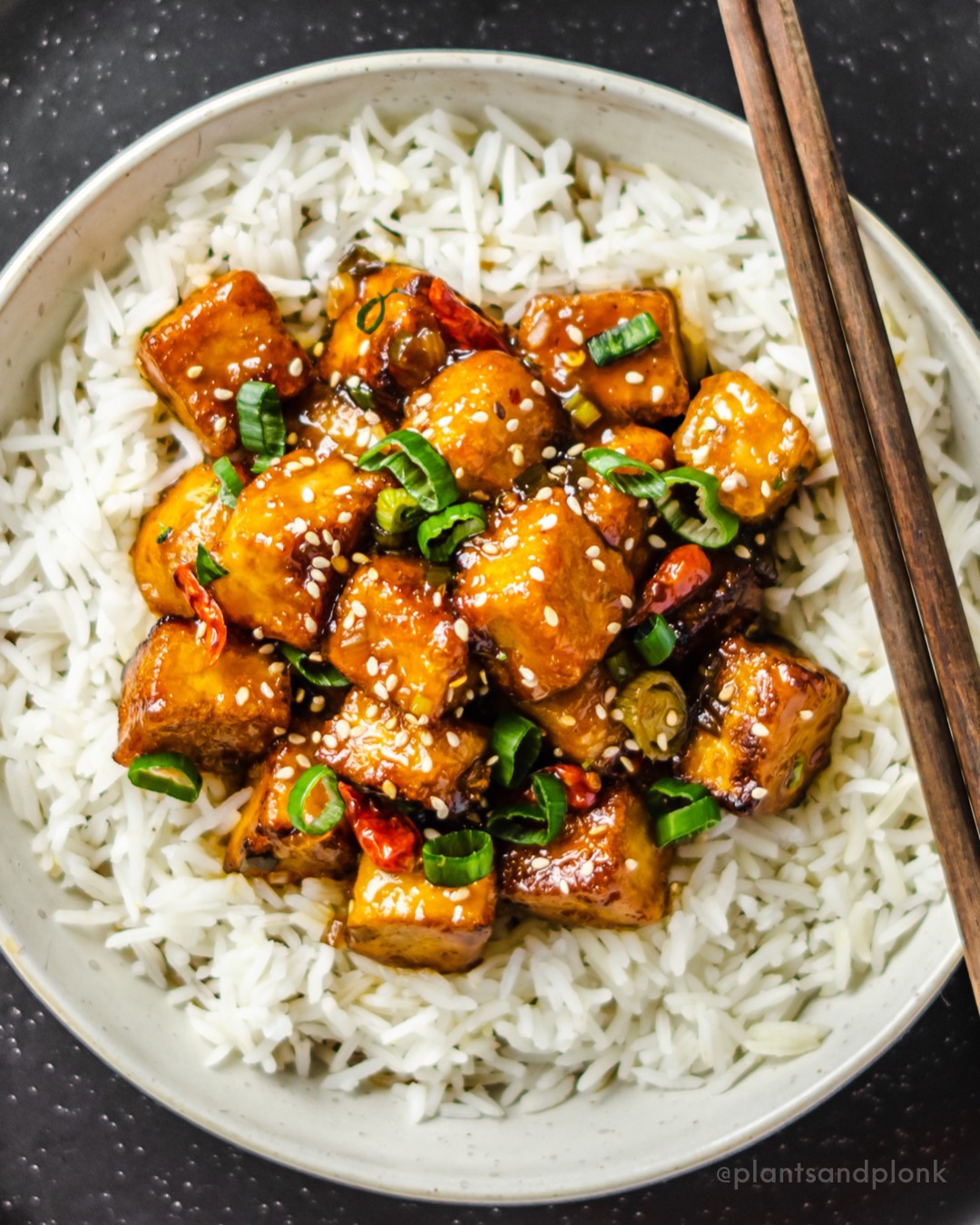
General Tso’s Tofu
I’ll confess, making this dish was entirely in my own interest. Not unlike the Mapo Tofu I featured a few weeks ago, this is one of my go-to comfort foods for easy takeout nights. Unfortunately, General Tso’s is a genius invention of Chinese immigrant families in the US, so I simply can’t find this dish in Europe. ::cue Saturday night ugly crying::
I have to thank Google and YouTube (so, really just Google’s massive empire) for providing the world with ample homemade versions of this classic. Below you’ll find the one I developed over a few tries. Fortunately, it requires ingredients that are common to our fridge and pantry. In the interest of authenticity, I even tested it with MSG. (Wipe that shocked look off your face – all that bad press was just xenophobia. Shocking, I know.) To be perfectly, honest, though, neither Sam nor I noticed the difference with MSG, so you can bypass it if it makes you squirmy. Just don’t skip the orange zest. That was the real key to making this taste legit.
But, if I’m honest, making this dish at home won’t give you much of an upper-hand, be it culinarily, economically, or health-wise. But for those of you who are suffering from Chinese-American take-out withdrawal, this recipe is for you!
Jump to section: about the wine || about the pairing || recipe
Tasting and Other Notes


Recipe
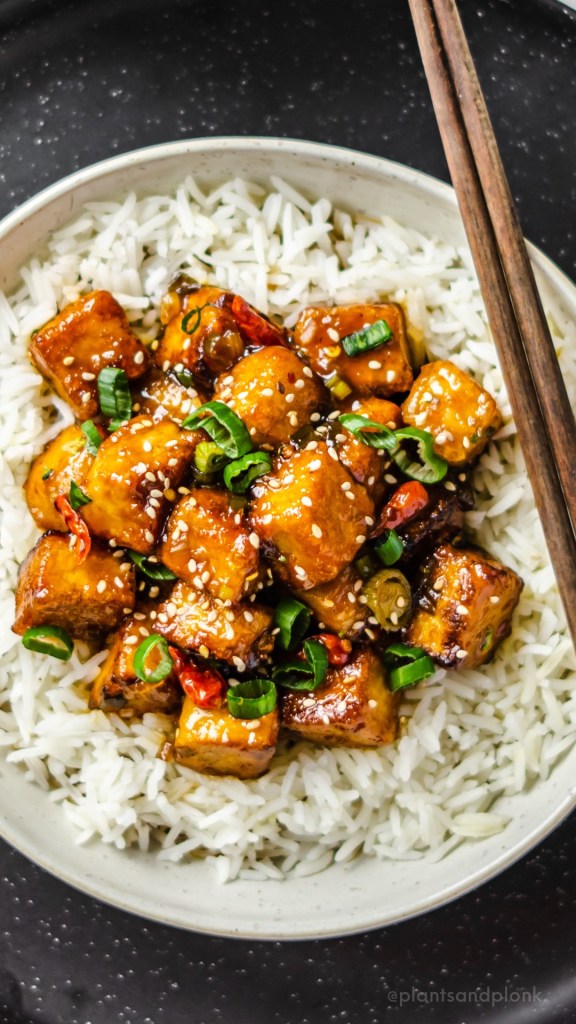


Ingredients
For tofu marinade
- 500g (about 18 oz) extra-firm tofu, pressed and cut into 1 inch cubes
- 2 gloves garlic, minced or microplaned
- 5 tbsp tamari
- 2.5 tbsp sriracha
- 1 tbsp sesame oil
- 2 tbsp maple syrup
- ½ lime, juiced
- 5-6 tbsp cornstarch (for frying)
- peanut oil (for frying)
For sauce
- 4 tablespoons peanut oil, divided
- 3-4 green onions, diced
- 3 cloves garlic, minced or microplaned
- ½ inch knob of ginger, minced or microplaned
- 1 tbsp orange zest (about ½ a medium sized orange) microplaned
- 12 dried whole red chilies
- ½ cup veg broth
- 2 tbsp rice vinegar
- 1 ½ tbsp sesame oil
- ½ cup tamari
- ¾ cup raw sugar
- 1 tbsp MSG (optional)
- 3 tsp cornstarch
- ¼ cup water
For the garnish
- diced green onion
- sesame seeds
For serving
- steamed broccoli (optional)
- steamed rice
Instructions
First – marinade the tofu (you can do this the morning of or the night before to save time)
Add pressed, cubed tofu to a medium sized mixing bowl. Don’t skip pressing the tofu, it will soak up the marinade much better.
In a separate bowl, mix garlic, soy sauce, sriracha, sesame oil, lime juice and maple syrup (DO NOT ADD CORNSTARCH AT THIS TIME).
Cover the tofu with the mariande and toss to combine.
Let rest at least 20 minutes, but as long as you have time for (I like leaving it overnight). tossing occasionally. (Prep the sauce mixture at this time)
To prepare for frying, gradually add cornstarch (I do 1 tablespoon at a time) directly to the tofu, marinade and all. Toss to coat as you add the cornstarch.
Continue adding more cornstarch and tossing until tofu is coated.
Meanwhile, warm 2 tbs peanut oil in a skillet over medium-high heat.
Use a slotted spoon to add tofu to the pan (leaving any excess cornstarch/marinade behind).
Cook tofu in batches on all sides for until golden brown. Using my cast iron skillet, this takes about 30 seconds per side. Basically, by the time I’ve gotten around to all the pieces, I start again on the next side. Whatever you do, don’t let it burn!
Remove finished tofu to a plate lined with a tea or paper towel. Then repeat until all the tofu is finished.
Repeat with remaining tofu. (I usually fry up the remaining marinade at the very end for my husband and I to snack on while I prep the sauce. #zerowaste)
For the sauce
Heat 2 tablespoons of the peanut oil in a wok or large skillet over medium high heat. (I use the same skillet I just cooked the tofu in.)
Stir in the green onions and garlic. Cook and stir a minute or two until the garlic has turned golden
Add the ginger, whole chiles, and orange zest and cook another minute or two, until fragrant and the chiles have brightened.
Meanwhile, in a mixing bowl, combine the veg broth, vinegar, tamari, sesame oil and the remaining two tablespoons of peanut oil
When the chiles are bright, add the sugar to the skillet and stir continuously, allowing the sugar to dissolve a bit.
Immediately add broth mixture to the pan
Bring everything to a boil and cook for about 5 minutes.
Dissolve the cornstarch into the water, and stir into the boiling sauce.
Return to a boil and cook until the sauce thickens and is no longer cloudy from the cornstarch, about 1 minute.
Reduce the heat to medium low and gently add in the crispy, golden tofu
Cook for a few minutes until the flavors meld
Serve immediately over rice. Garnish with sesame seeds and more green onions. (We also like to quickly steam some broccoli to soak up all that sauce – and to pretend that makes it a healthier dish.)
Eat alongside a glass of orange Chenin Blanc from South Africa!

 celeste radosevich
As long as you’ll let me order the American version when I’m next stateside, we have a deal!
LikeLike
Please add this dish to my list of requested foods for our next visit! Looks marvelous!
LikeLike