4 minute read
Jump to section: the wine || the pairing || the recipe
In this post, I’m celebrating the two European countries I’ve called home since leaving the U.S. four years ago (::cue homesick wailing::).
One of my favorite commonalities between both Norway and Germany is the normalcy of enjoying sparkling wine everyday. In Norway, I poured more sparkling wine than I think I ever have in my life, and I see it flying off the shelves here as well. Germany is actually home to the largest consumption of sparkling wine (well, it was as of 2014): every year, an estimated five bottles of bubbles are downed by each resident!
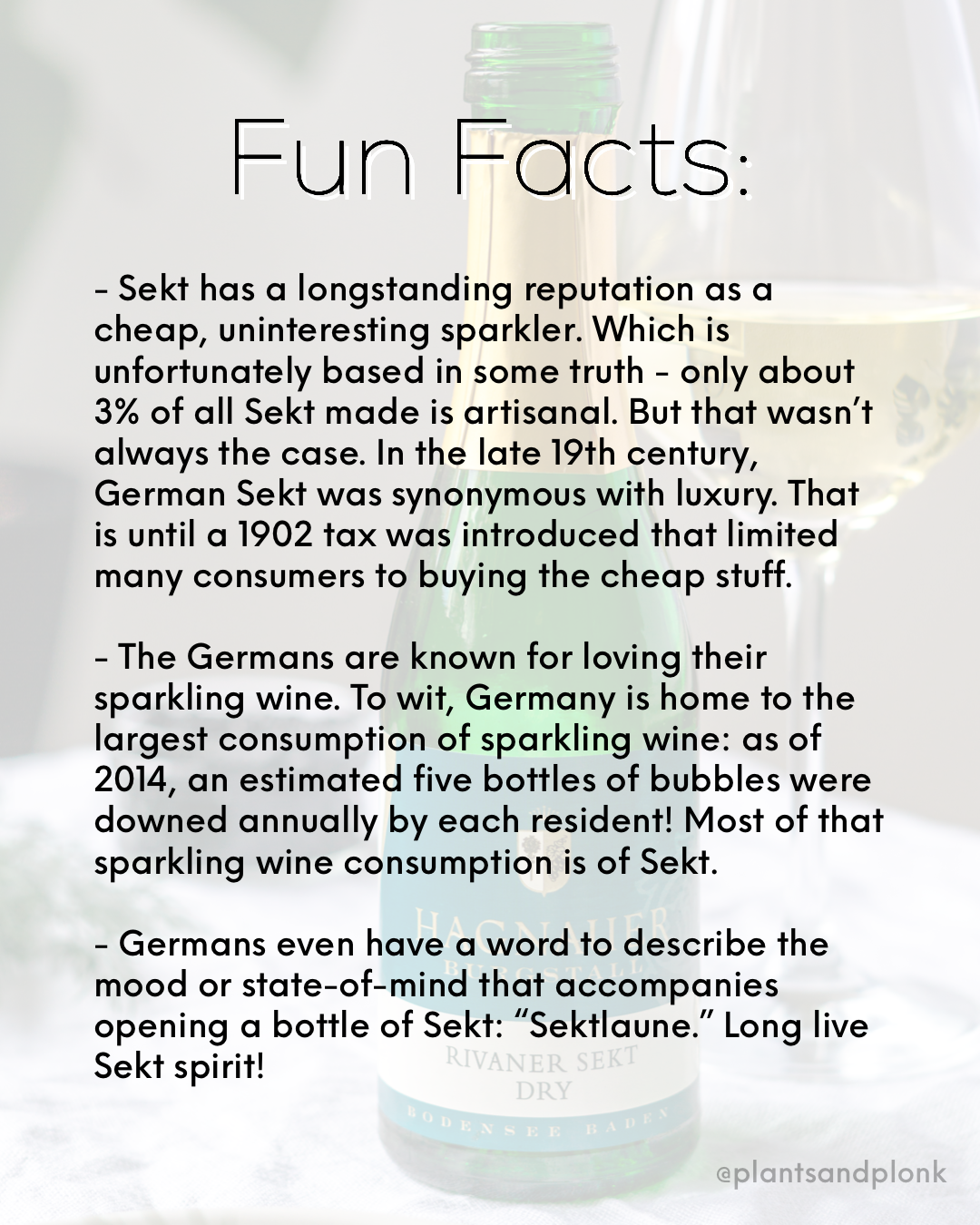
That may be because Germany is also the largest consumer of Sekt, the type of sparkling wine I’m featuring this week.
As an aside, I just want to point out the pink elephant in the room: Champagne is a protected term – like fiercely legally protected. It has very specific requirements and regulations and is not an umbrella term for any old sparkling wine. As you may have gleaned, “sparkling wine” is the correct term. Spanish Cava and Italian Prosecco are other examples of site-specific sparkling wines, with their own rules and regulations.
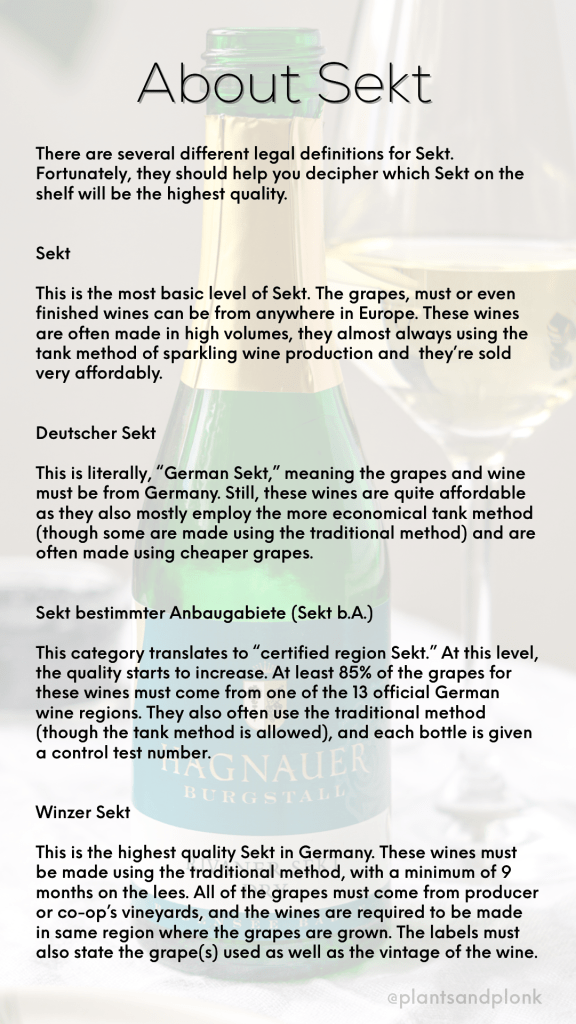
There are different levels of Sekt, and they vary significantly in style and quality (if you’re interested in learning more about the levels of Sekt, see the info box below). The one pictured here is a Sekt b.A., which is the second highest quality of Sekt and means that the wine was made in the same region where the grapes were grown.
Jump to section: the wine || the pairing || the recipe
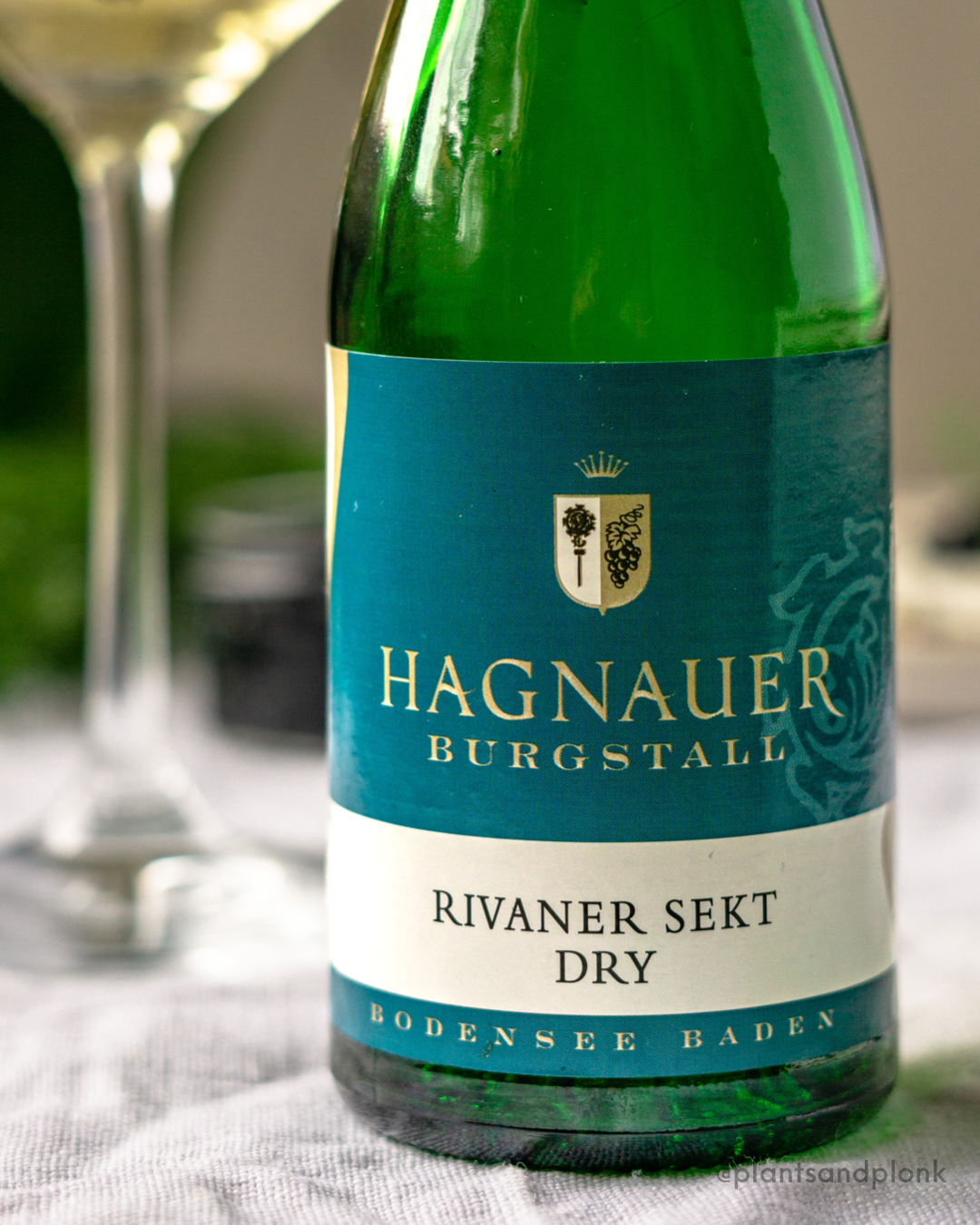
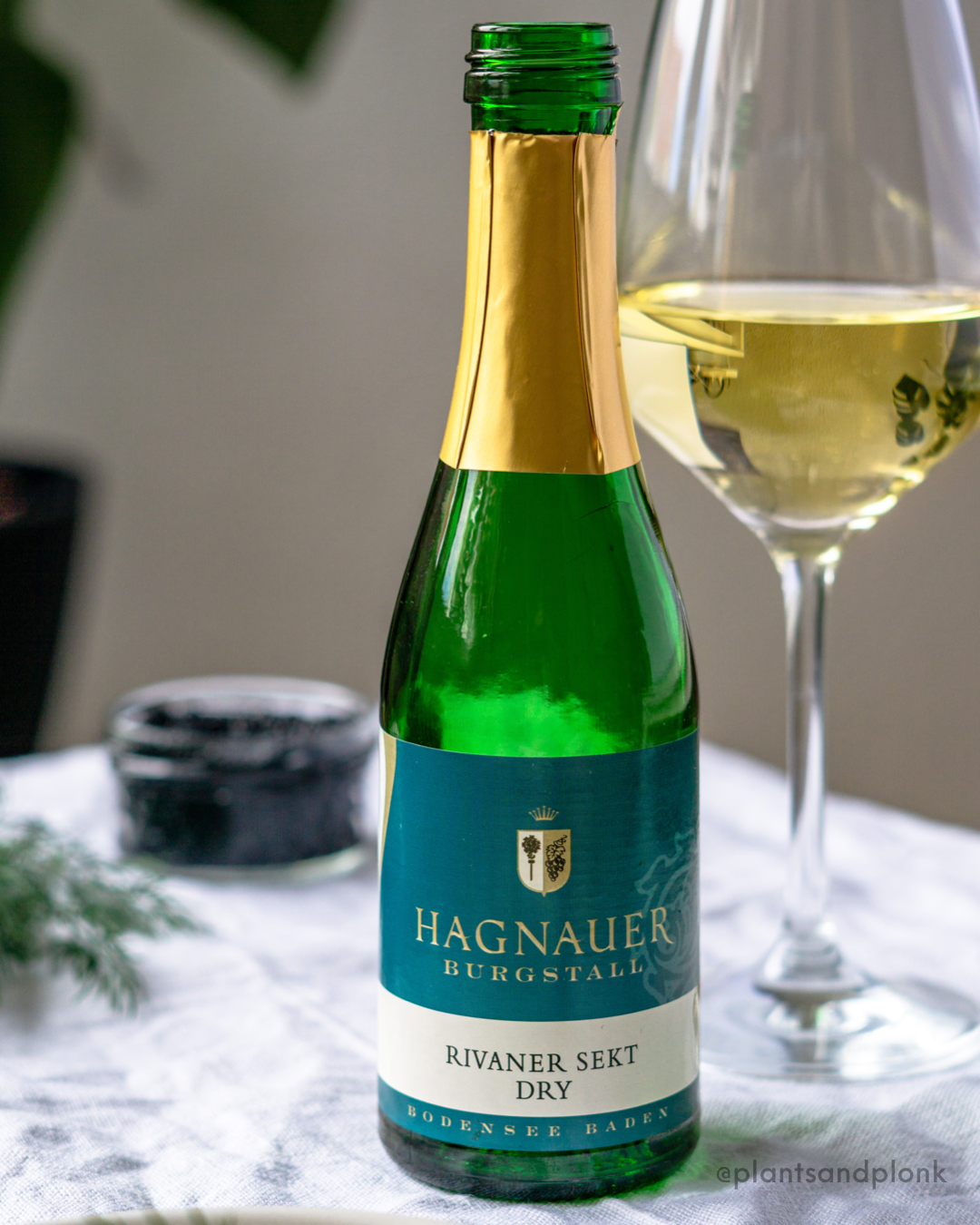
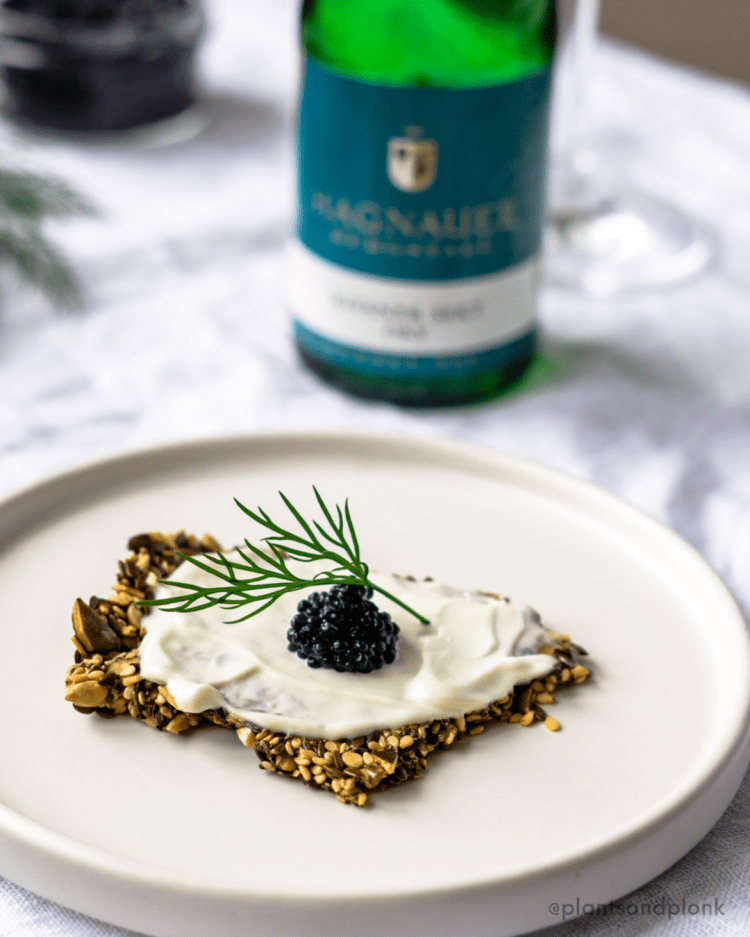
2021 Hagnauer Burgstall Rivaner Sekt b. A.
This wine is bottled by Hagnauer, the largest and oldest wine co-operative in the Konstanz region, called “Bodensee” in German. I discussed wine co-ops in previous posts on a Baden Syrah and a red blend from Southern France, but those were about producers who branched out from their local co-ops. Here I’m actively celebrating the wine co-op.
Hagnauer wines are huge in Konstanz. The association hosts 90 winemakers from 52 grower families. They offer bottles of every typical Baden grape, as well as several others. They have organic and vegan wines, sweet, off-dry and bone-dry. Whites, rosés, reds and sparklers. They make brandies, liqueurs and liquors, in addition to vinegars, jams, and even mustards.
The first Bodensee wine I tasted was from Hagnauer and I was really impressed. The quality isn’t outstanding, but it’s good. Across the board good. Hagnauer is making solid wines for everyday drinking. And it’s super cool to witness.
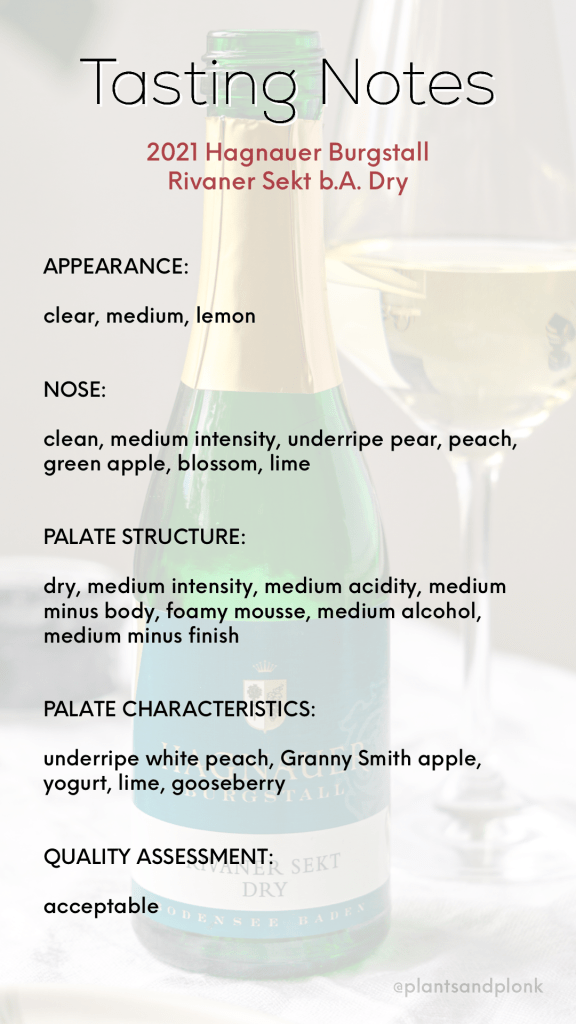
This Sekt is no exception. Made from Rivaner (another name for Müller-Thurgau), it’s a perfect everyday sparkler. It shows some fun peach and apple notes with undertones of lime and white florals (you can see my full tasting notes below). There is a slight autolytic note to this with a bit of yogurt peeking through. But overall, it’s not very complex or dressed up, it just is what it is. It’s the oversized crop top and leggings of sparkling wines. And it too pairs well with all the Netflix series binging we partake in over the winter.
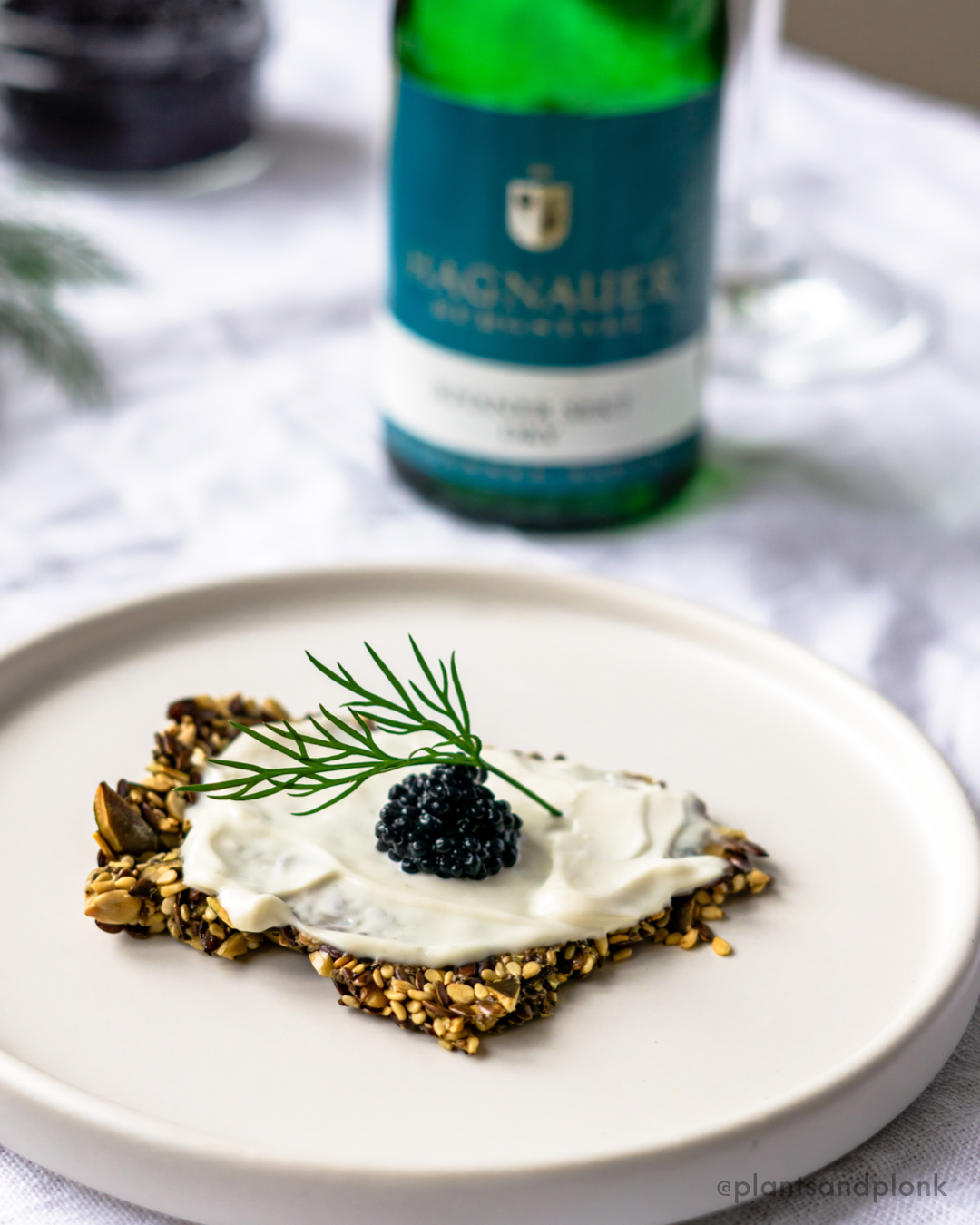
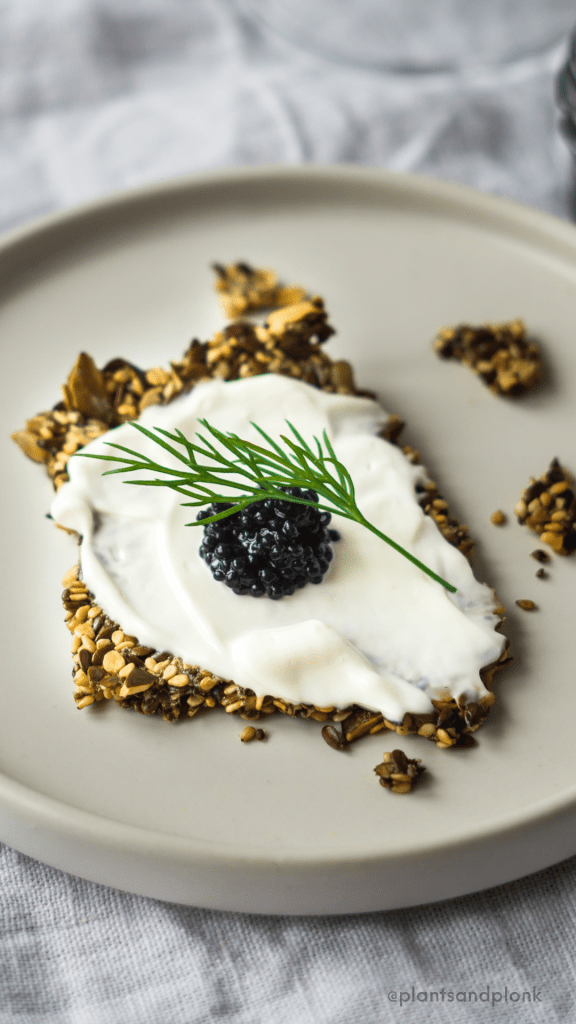
German Sekt with Vegan Caviar and Crème Fraîche
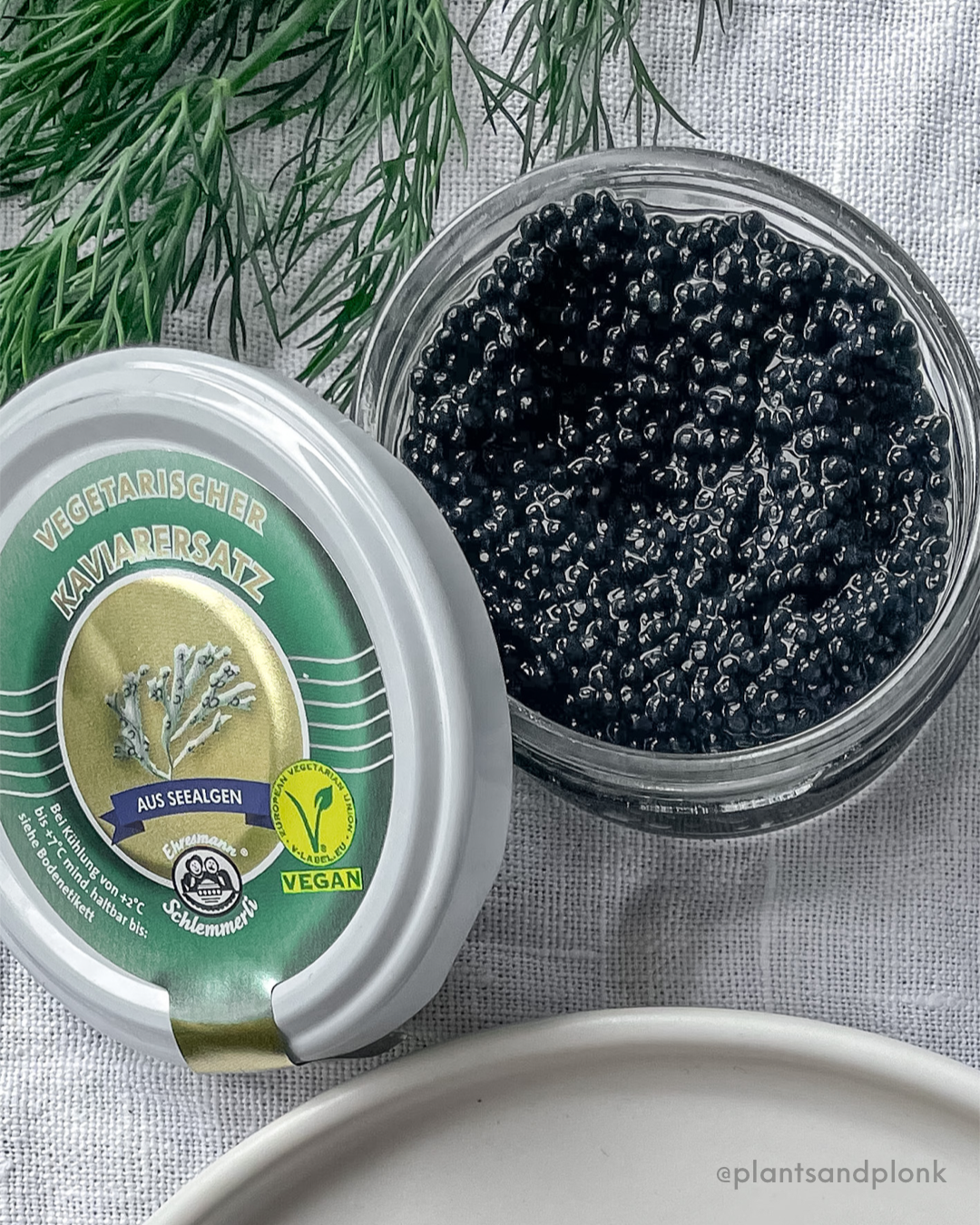
Besides Netflix, I knew exactly what I wanted to pair this wine with. I’d had my eye on the vegan caviar at our local store and couldn’t wait to try it out. Champagne and caviar have long been the indicators of fine living, perhaps as much for their steep prices as for their delicate flavors. But I couldn’t have found a more accessible expression here. And it’s a perfect pop of joy during these last (fingers crossed) dreary weeks of winter.
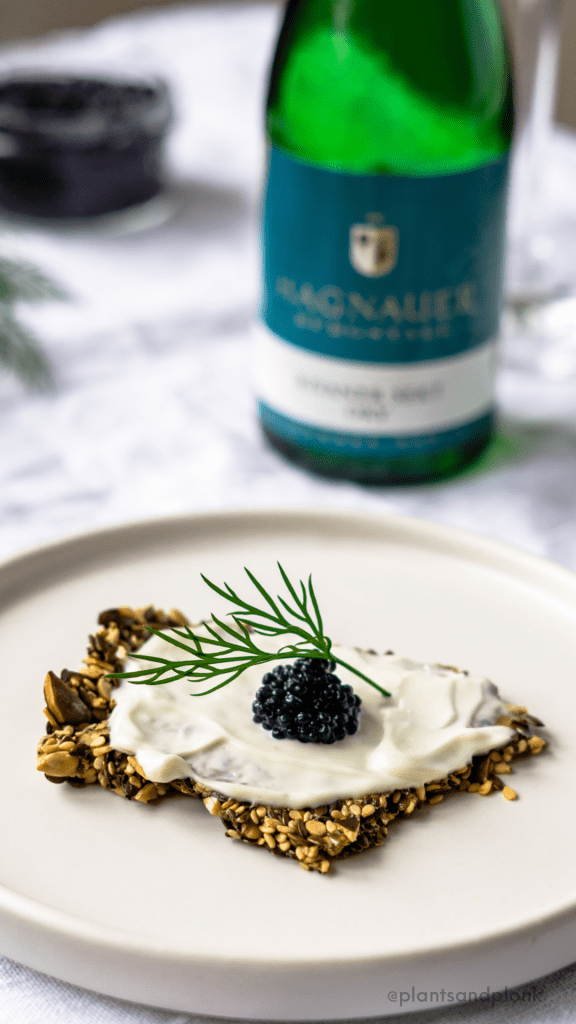
While not displaying the more nuanced notes that Champagne and beluga caviar are known for, this pairing is close enough to satisfy a more quotidian decadence. The salty, creamy crème fraîche and caviar fill the mouth with flavor and texture which is then contrasted by the crisp, fruit-forward and acidic Sekt. Your palate is scrubbed clean by the foamy mousse of the wine, which incidentally mimics the pop of the vegan caviar beads. It’s quite literally a party in your mouth. The Norwegian knekkebrød I used here also grounded the creamy, saltiness of the food and the high-toned fruit of the wine by contributing more nutty, earthy flavors. I like serving it with a tiny bit of dill, which adds a freshness to the pairing.
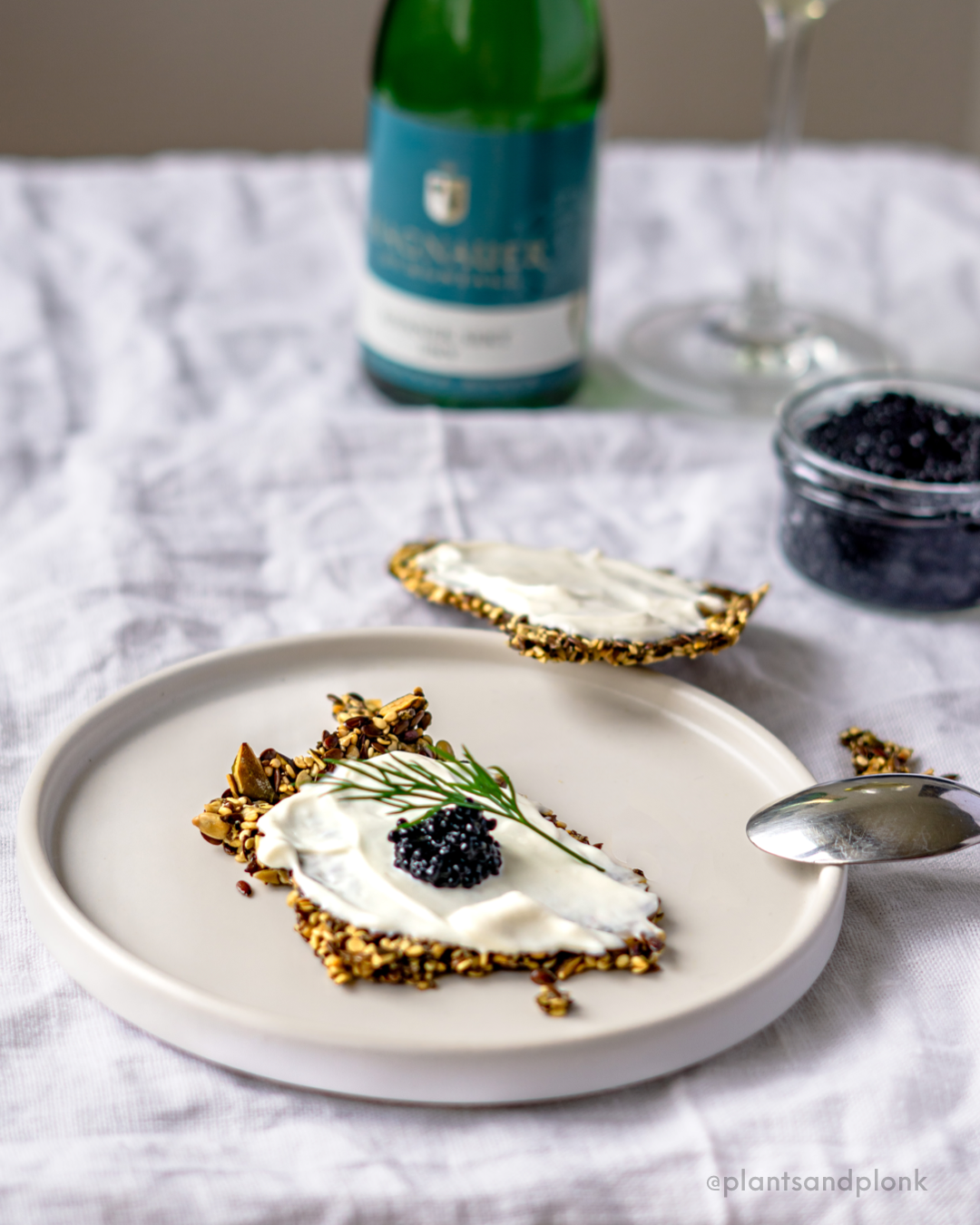
This pairing is such a treat, but at a fraction of the cost. And I love bringing together these two countries on a single table. It is a decadent winter snack, but also perfect year-round.
I included the recipe for the creme fraiche below. I use Max M. Rasmussen’s knekkebrød recipe, so check out his site for that. If you can’t find this brand of vegan caviar, I believe the Caviart brand is quite good and readily available.
Jump to section: the wine || the pairing || the recipe
Tasting and other Notes
Ingredients
.5 cup vegan cream cheese
3 tbs unsweetened coconut yogurt
3 tbs vegan mayonnaise
vegan caviar
gluten-free Norwegian knekkebrød (find Max M. Rasmussen’s recipe here)
dill sprigs to garnish
Directions
For the vegan crème fraîche: in a small bowl, combine yogurt, cream cheese and vegan mayo together and mix thoroughly
Spread on some gluten-free Norwegian knekkebrød (or gluten free cracker of choice)
Top with a half teaspoon of vegan caviar
Garnish with a sprig of dill
Enjoy with a glass of Sekt!

 celeste radosevich