5 minute read
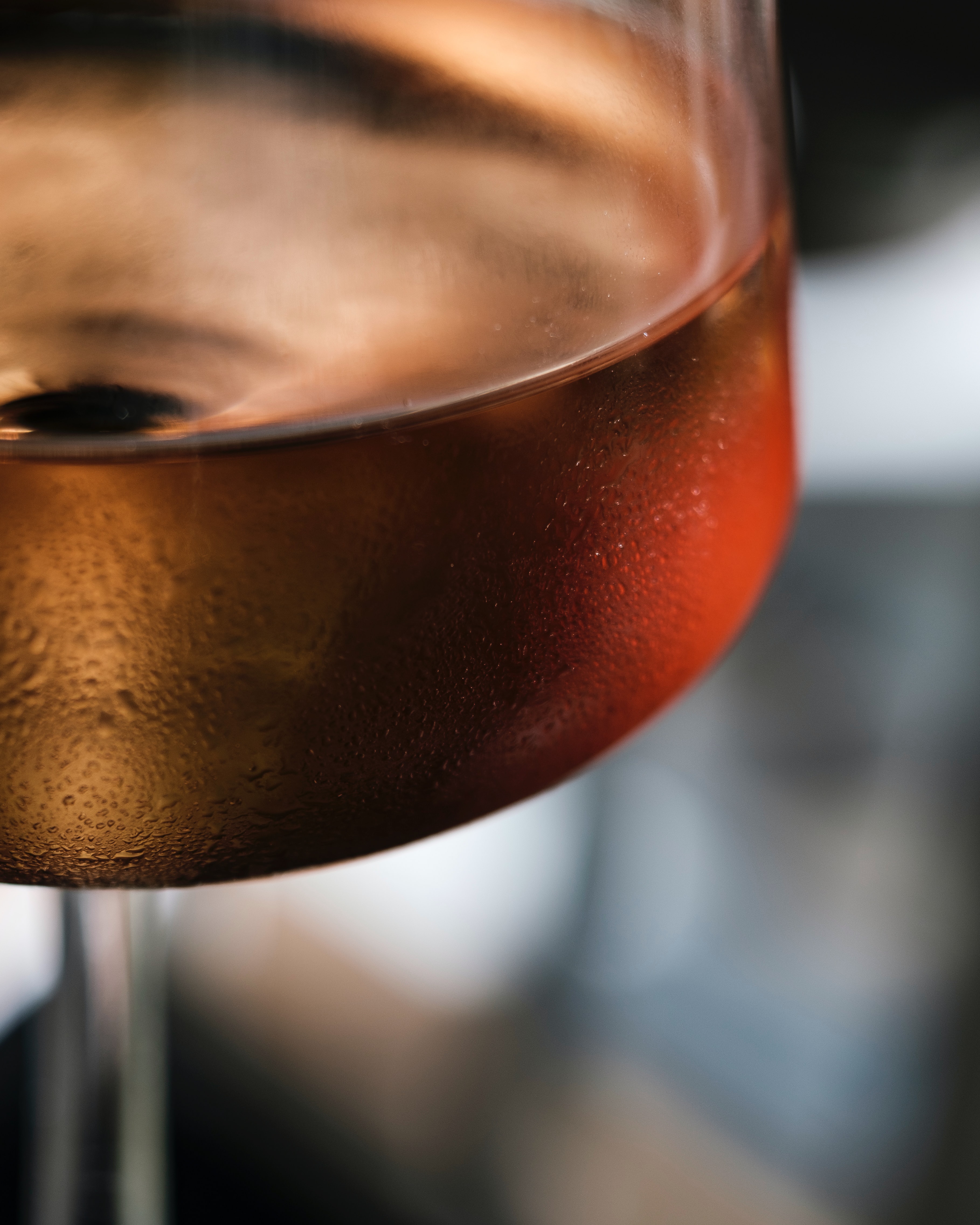
We’re launching into a lesser-known (if not unknown) area with the next few posts: orange wine!
This category can be a mystery, even if you’re into wine. I covered the basics about these wines back in November, but we’ll dive a little deeper this time.
So what is it?
Orange wine is a very broad and diverse category, but a few standards will apply to all wines within it: they are always made using white grapes and the juice always spends time in contact with the grape skins. Red wines and many rosés are made by doing something similar with red grapes. But instead of the final product resulting in a red or pink tint, these wines take on a deep yellow or amber hue (sometimes they are actually orange, but not as often as you might think).
The term “orange wine” unfortunately seems to have stuck. “Orange” is misleading, due to the juicy fruit by the same name. But these wines aren’t made from oranges. They were dubbed orange due to their color. They’re also known as skin-contact whites, amber wines or extended maceration whites.
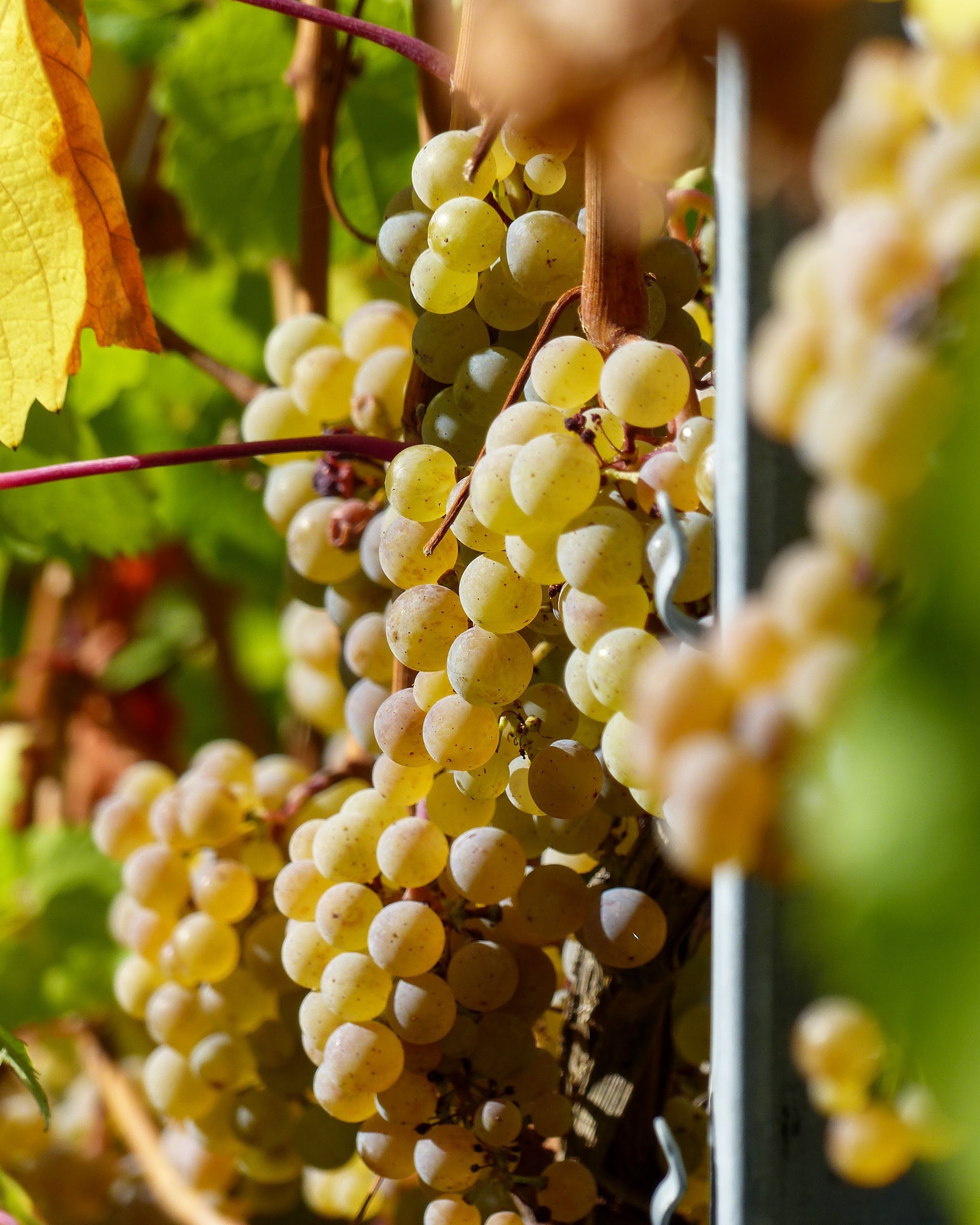
Orange wines may seem new, but they’re actually one of the oldest methods for making white wine. There’s evidence of this style dating back hundreds of years in Italy’s northeastern provinces, particularly Friuli. But even the Italians seem to have learned the process from Georgia (the country, not the state), which has been making skin contact whites for thousands(!) of years.
Leaving the skins in contact with the juice confers more flavors, but it also helps protect the wine from spoilage and oxidation. It wasn’t until the 1950s and 1960s that the world became enamored with crystal clear, lightly tinted white wines, and their amber counterparts fell by the wayside.
What does orange wine taste like?
Like reds or rosés, the flavors of oranges wines can vary significantly, so it’s hard to generalize. But I’ll see what I can do.
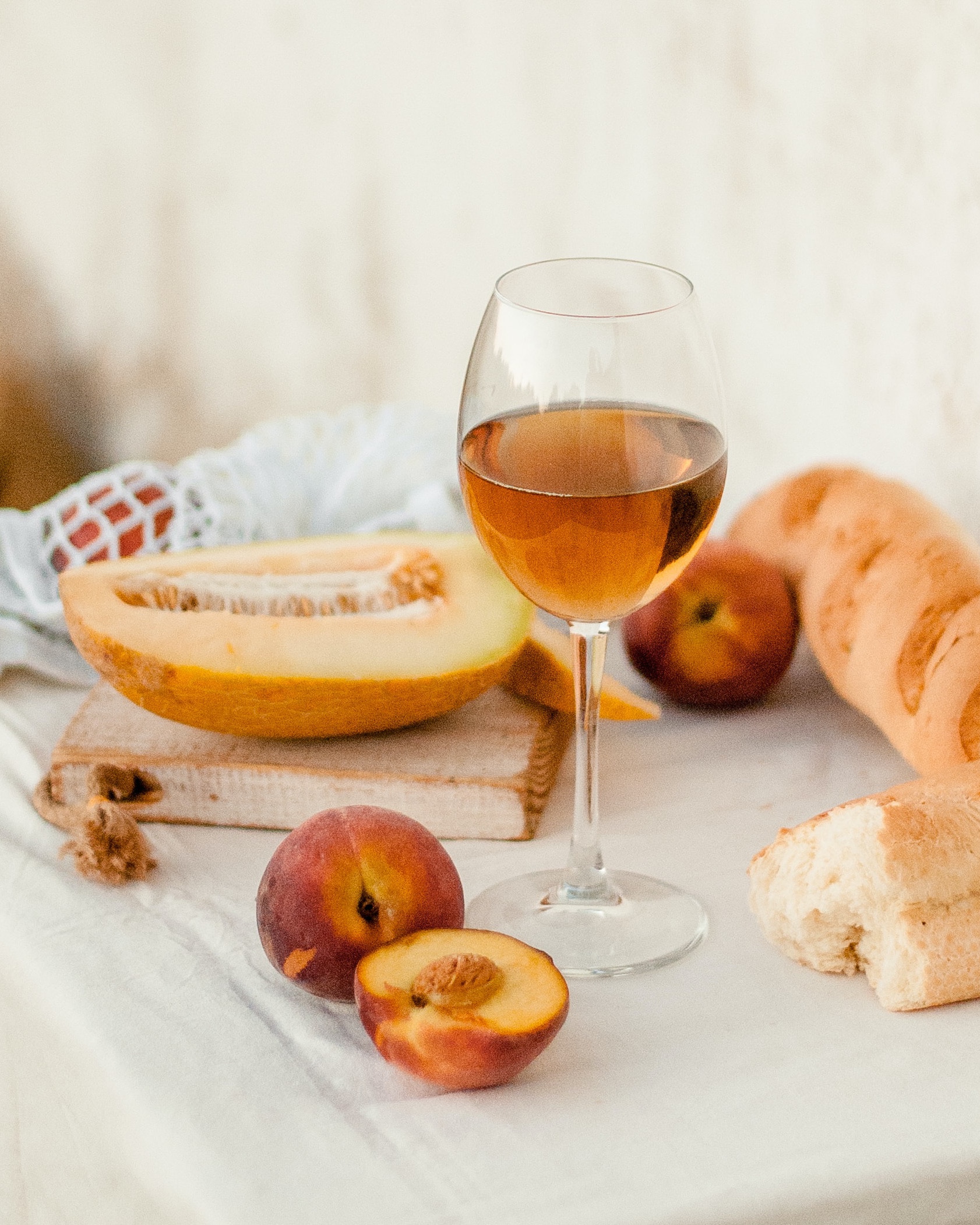
Orange wines can be more savory than white wines – with nutty characteristics, bread notes, or spice-like flavors (like ginger, lemongrass and herbs). They can show hints of beeswax, hay and umami along with more earthiness than paler whites. Their fruit flavors can also be more intense – with flavors of jackfruit, bruised apple or apricots.
The two most distinguishing characteristics of orange wines are their more astringent acidity and their pronounced tannins. The astringency can give these wines a funky cider or sour beer feel, so they’re great for consumers who are into those flavors. The tannins can be confusing – these aren’t red wines after all! But all that extra maceration time confers both extra flavor and (yup) extra tannin.
Why are skin-contact wines good for pairing with vegan food?
Due to their intensity and complexity, orange wines make wonderful food companions. Here are a few reasons why they’re particularly great for vegan food pairings:
Difficult veggies
Plant-based eaters can be loud and proud with their veggies. But sometimes those flavors are so sharp, it can be difficult to find wine friends to hang out with them. In fact, a few years ago, Bon Appetite featured an article titled The 7 Foods that are Nearly Impossible to Pair with Wine. Guess how many were vegetables? That’s right, all seven.

Enter…orange wine! Without orange wine, we’d be lost finding a wine pairing for a hearty salad of oat berries, asparagus and toasted walnuts. Or maybe we’re just making nibbles and are struggling to find something that works with polenta appetizers or grilled artichokes. That’s a good reason to keep an orange wine or two in the cupboard.
Fermented or pickled foods
A splash of citrus or vinegar in food is seldom a problem for wine, but when it’s the main event, sommeliers start to sweat. Those who rely on a plant-based diet can get loads of flavor diversity by incorporating fermented and pickled foods. Thankfully, orange wines, with their boosted astringency and amped up flavors, shine in these instances. Try a kimchi soondobu gijae (kimchi stew) with an orange wine, instead of reaching for a beer. Weather to hot to cook? Make a platter of pickles and nut pâtés and crack open the amber wine you stuck in the freezer for 10 minutes.
Complex spices
Some cuisines can be tricky not because of a single element, but because there are so many flavors in a single bite. Spice combinations are one of the greatest pleasures for vegans, as they create flavor diversity so simply. Think about how the flavor of cumin changes when combined with fresh cilantro and lime in Latin American fare as opposed to with ginger and turmeric in some Indian dishes.
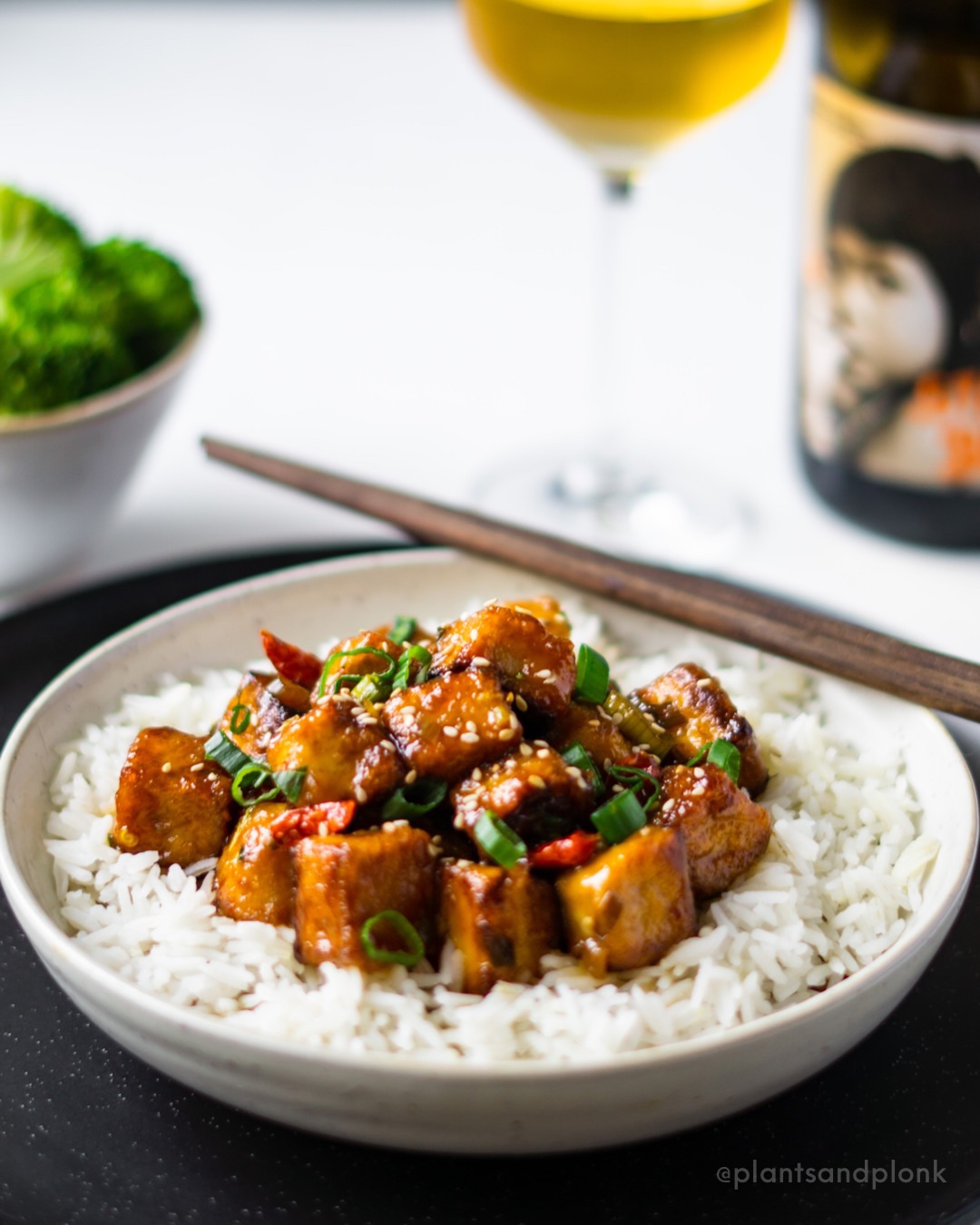
These cuisines (and many others) are often seen as unfriendly to wine accompaniment. But give them a try with orange wines, I think you’ll see they’re pleasant bedfellows.
Orange wines for beginners
If you’re new to orange wines and not a fan of sour beers or funky ciders, it’s a good idea to play it safe with your first one. Definitely ask your local wine pro, but I’ve listed a few introductory examples that are a bit more appetizing for skin-contact wines newbs. And definitely stay tuned here – I’ve got 3 orange wine pairings coming up!
Denavolo Dinavolino
Emilia-Romagna, Italy
grapes: 25% Malvasia di Candia Aromatica, 25% Marsanne, 25% Ortrugo, 25% other
This was my first orange wine and I loved it! It’s floral, fruity and fresh with a hint of minerality.
Foradori Fuoripista
Trentino, Italy
grape: 100% Pinot Grigio
Literally translating to “off road,” this is a departure from most Pinot Grigio’s. It’s tart, floral and herbaceous, but also creamy and structured. A favorite for many.
Hajszan Neumann Natural Gemischter Satz
Vienna, Austria
grapes: 20% Grüner Veltliner, 20% Pinot Blanc, 20% Riesling, 20% Traminer, 20% Welschriesling
Austria’s history with orange wine may not date as far back as Italy’s, but it is still long! This amber is elegant and complex with tart stone fruit and citrus flavors as well as some floral notes.
Filipa Pato Post-Quer…s Bical
Barraida, Portugal
grape: 100% Bical
Filipa Pato and her partner William Wouters are re-popularizing the native Bical grape in Portugal. This wine shows yellow tree fruit and saline notes along with a hefty dose of fresh herbs.

 celeste radosevich
One thought on “skin-contact wine (aka orange wine)”