4 minute read
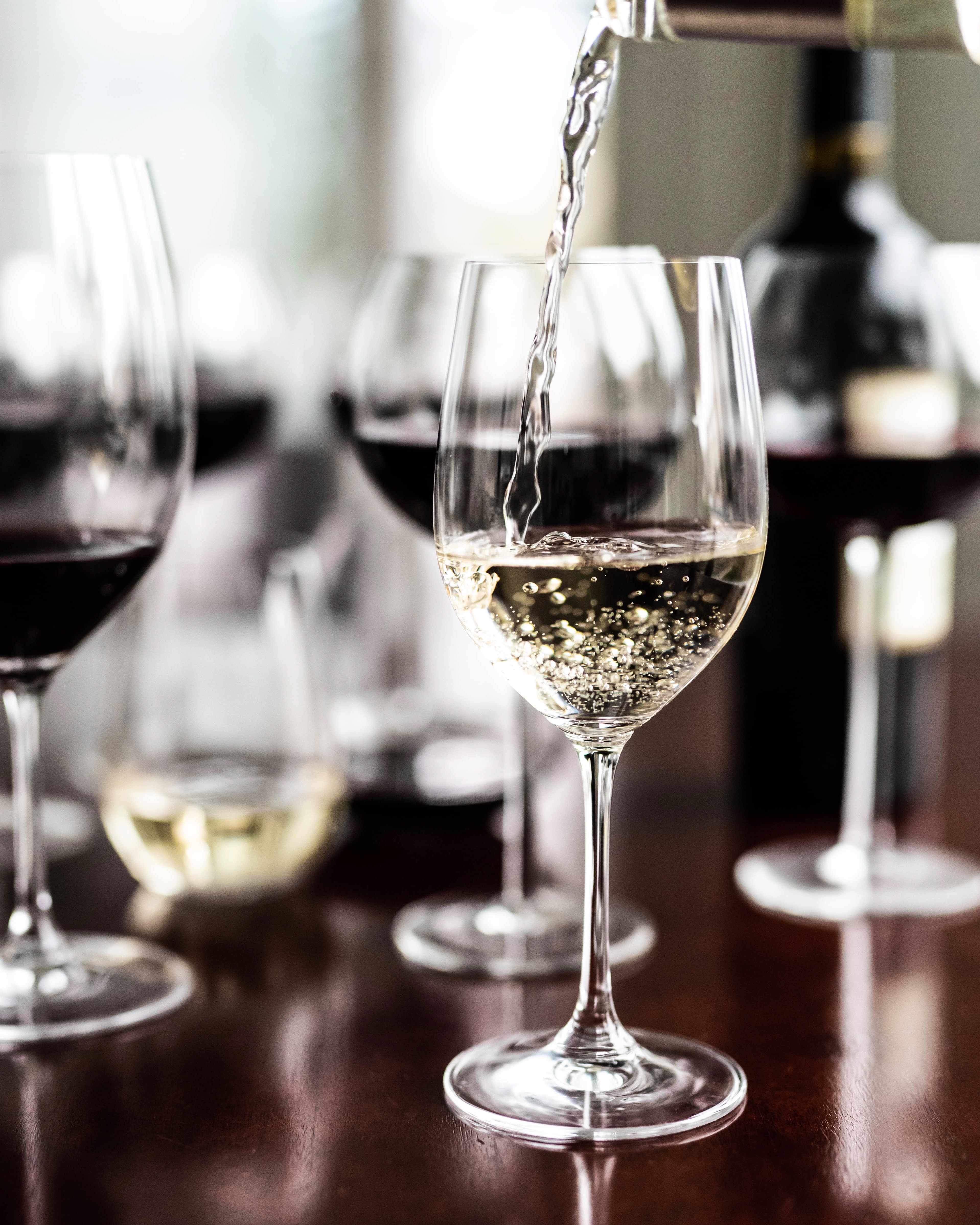
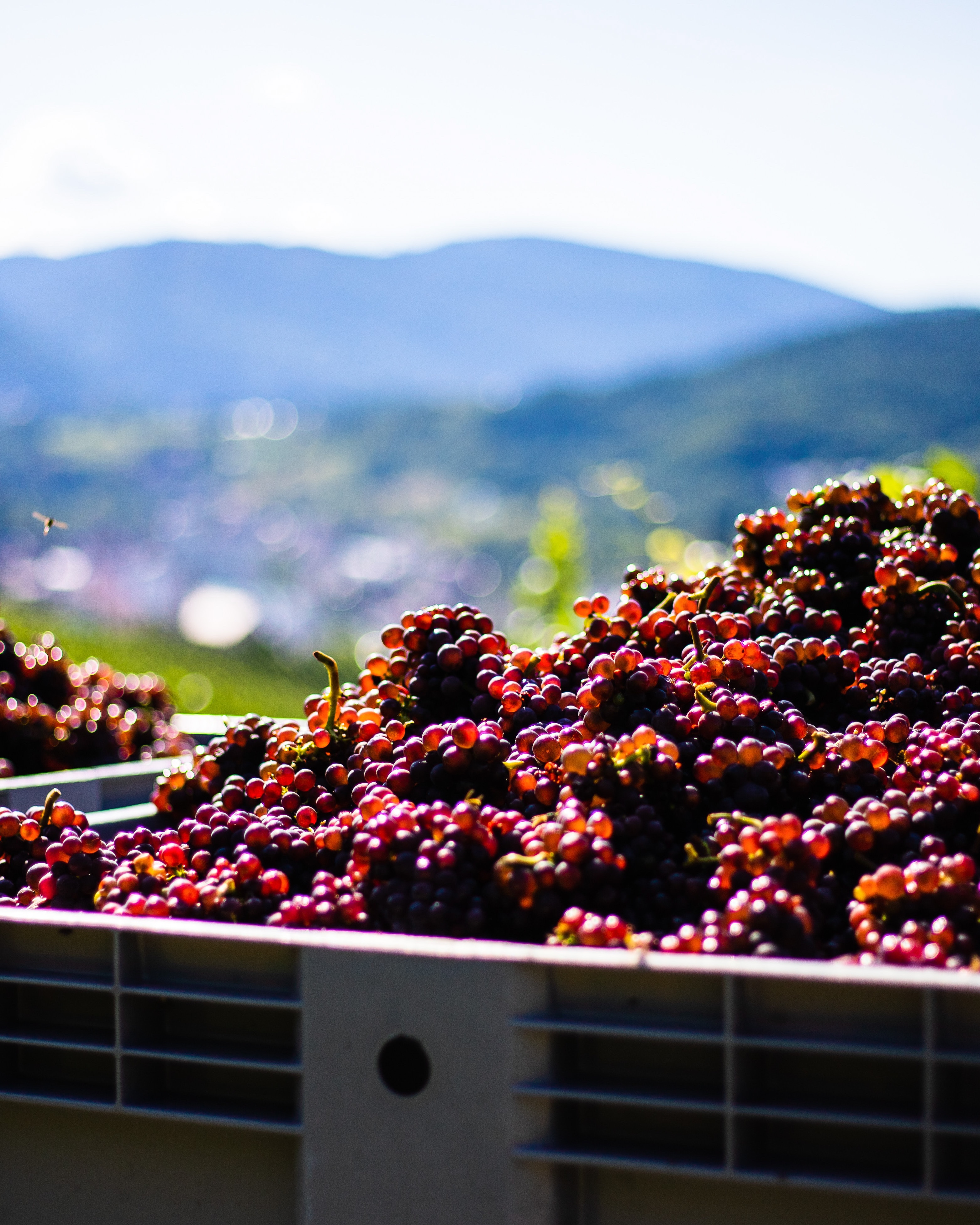
It may surprise the average wine consumer to learn that there are actually about 10,000 different grapes used to make wine worldwide. 10,000! Even crazier: only ten of those grape varieties dominate the wine market. That’s 0.1% of the world’s wine grapes represented at the average store or restaurant.
Crazy, huh?
This lack of representation can actually make branching out difficult. If the market is flooded with just ten grapes, how can we find new ones to try? Especially new ones we know we’ll like?
Don’t worry. I’ve got you covered. For the next few posts, I’ll feature some wines that are “synonyms” for better known versions. I call them synonyms because they’re similar enough to trick even wine professionals, but they’re also distinct and special in their own way. In the mean time, I’ve put together a few tips on how you can go out on your own to find new “synonyms” for your favorite wines.
5 Tips for Finding New Wines
1) Know what you like (and why)
This may sound obvious, but you’d be surprised how often we don’t understand what we like and why we like it.
I’ve had guests close their wine list and tell me they wanted to try a new wine similar to a Pinot Noir or a Cabernet Sauvignon. I didn’t know where to start. Those grapes make completely different wines. They have vastly different structures, textures and flavors. It’s possible that those guests legitimately liked wines made from both those grapes, but they hadn’t given me more information than simply saying “I want to try a new red wine.” In other instances, guests simply referenced the proprietary name of a bottle they love (i.e. Donkey and Goat “Stone Crusher”). When I didn’t have that bottle, they were unable to describe the wine at all, or why they liked it. I had to sneak off to the bathroom for a rapid- fire research before I was able to offer any guidance.

In some ways, that was my job. And neither of these situations were life or death (very few things in the wine world are). But, having just a little more information in hand can make a world of difference. So, before you go on the hunt, sit down with your favorite wine and learn a bit more about it from your wine retailer. Alternatively, you can get information from the wine’s importer, distributer or producer websites (those should all be listed on the bottle). You’ll be surprised to find how much information you can get in a 10 minute search. Not only will it expedite a conversation withy our local wine pro, but it’s also a great way to help you inform your own palate. That is, if you know your favorite wine is medium-plus bodied with low tannins, moderate acidity, high alcohol and a bit of residual sugar, it will help you find new wines faster and with less anxiety.

2) Belly up to the bar
This is really difficult homework, I know – but go find a good wine bar! Or even a restaurant where you can sit at the bar for a glass. Most places will let you scope out their list in advance online, so you can make sure they have a wide variety of options. Once you’re there, you can chat with the bartender. (This is where that 10 minute search will come in helpful.) Many times, they’ll offer you a taste of something before you order a full glass. So the stakes are a bit lower – you don’t have to commit to the full 750ml! Pro tip: arrive an hour or two before or after the dinner rush, your bartender will have much more time to help you find what you’re looking for. And, if you’re in the US, be sure to leave at least a 20% tip!
3) Find a local wine store.
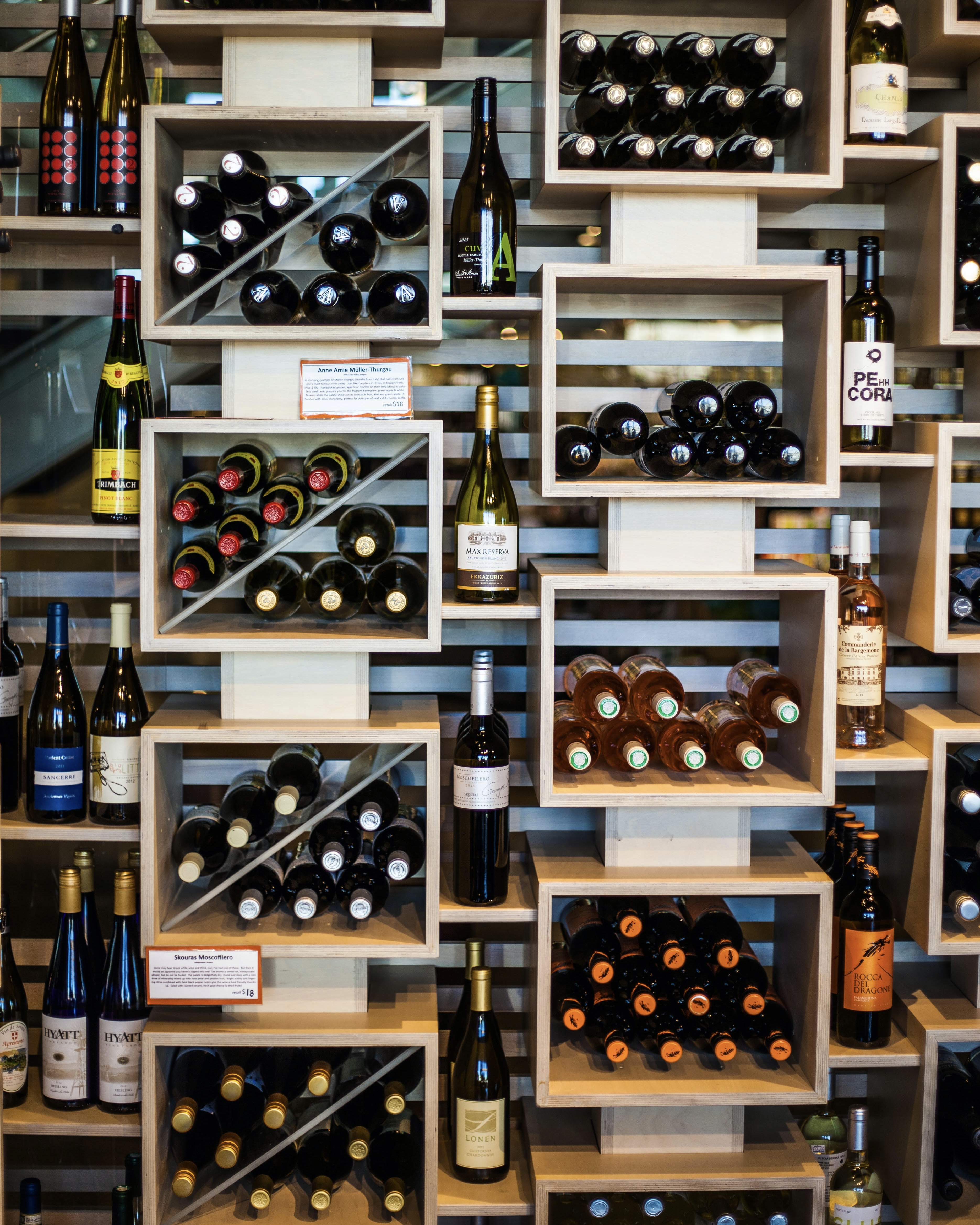
I know a lot of grocery stores have good wine sections now, but I strongly recommend going to a dedicated wine store. You want to talk to the folks who sell wine all the time and know the ins and outs of their inventory. Plus, if you find a store you like, many offer memberships with bottle discounts or monthly clubs for trying new wines. Some even keep a record of your purchases for you, so you can track what you’ve tried over time. Developing a relationship with the buyers there can serve you well for future purchases too – keeping you in mind when new shipments come in.

4) Drink (responsibly) with friends!
Wine tasting with friends doesn’t have consist of any old wine you found on sale. It’s often quite easy to find others who are looking to explore. Form a tasting group! But instead of thinking of it as an excuse to get hammered, think of it more like a wine book club. Maybe every week or month one member brings a new bottle to share. Maybe everyone brings a bottle, and each takes home their favorite. Whatever the arrangement, these can be a really fun way to expand your palate. They’re often also a win-win situation: you can try out new wines while also diluting the cost. Plus, it’s a great way to socialize around a similar interest.

5) Make friends with the internet
If all else fails, Google it! There are loads of resources out there, including wine-focussed websites that have pages entirely devoted to the “if you like that, try this!” notion. Alternatively, just search for “wines similar to…” Sometimes you’ll find a new grape, sometimes a new region.
Just remember, whatever you find will usually be a generalization. There will always be some bottles of Pinot Noir that aren’t typical for the grape or for Oregon (or any other region). Some producers simply choose to make their Pinots (or Sangioveses or Chenin Blancs) differently from your favorite version of that grape. Of course, you can Google that too. But, you can also ask your local wine pro.
I’m looking forward to sharing my own “synonyms” in the coming weeks. Until then, happy hunting!

 celeste radosevich
Very cool post with some clever ideas, Celeste!
LikeLike