6 minute read
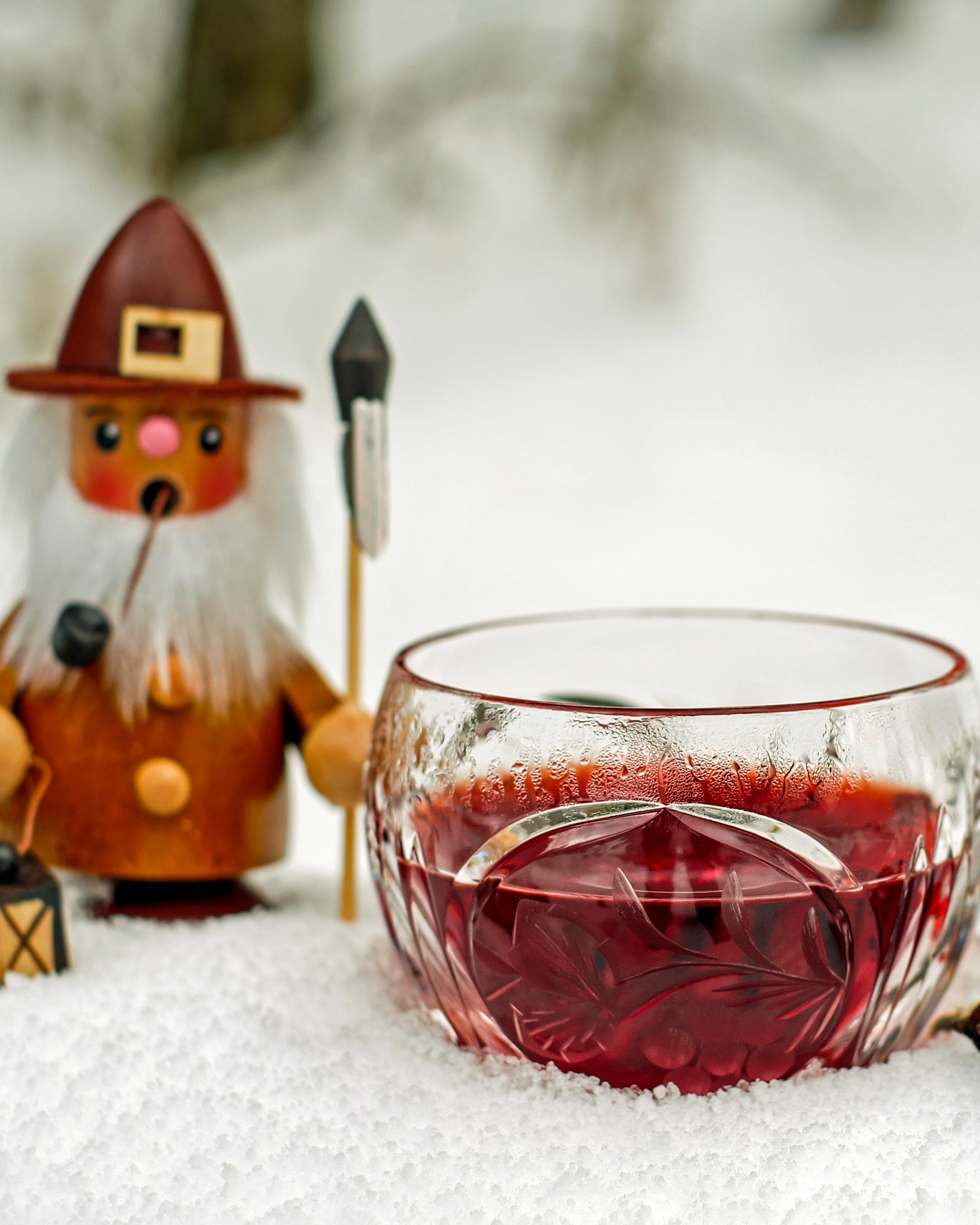
Ever wondered why we crave things like lemonade and popsicles in the heat of summer whereas winter has us longing for hot cocoa and casseroles?
At first glance (or at least, at first “google”), it’s not entirely clear that food or beverages do indeed warm us up or cool us down. But I was able to find an old NIH semi-scientific review of the topic. According to this article, our bodies use extra energy to keep us warm in cold temperatures. But by eating warm food, we’re able to conserve energy, since the temperature of the food does some of that work. (This process of maintaining a comfortable body temperature to continue normal functioning is called “thermoregulation.”)
The review goes on to comment that satiety (how happy we are to eat certain foods at any particular time) is perhaps equally as important as thermoregulation. And in my very unscientific opinion, it’s this perception that likely plays the biggest role for wine.
Warming vs. Cooling Flavors
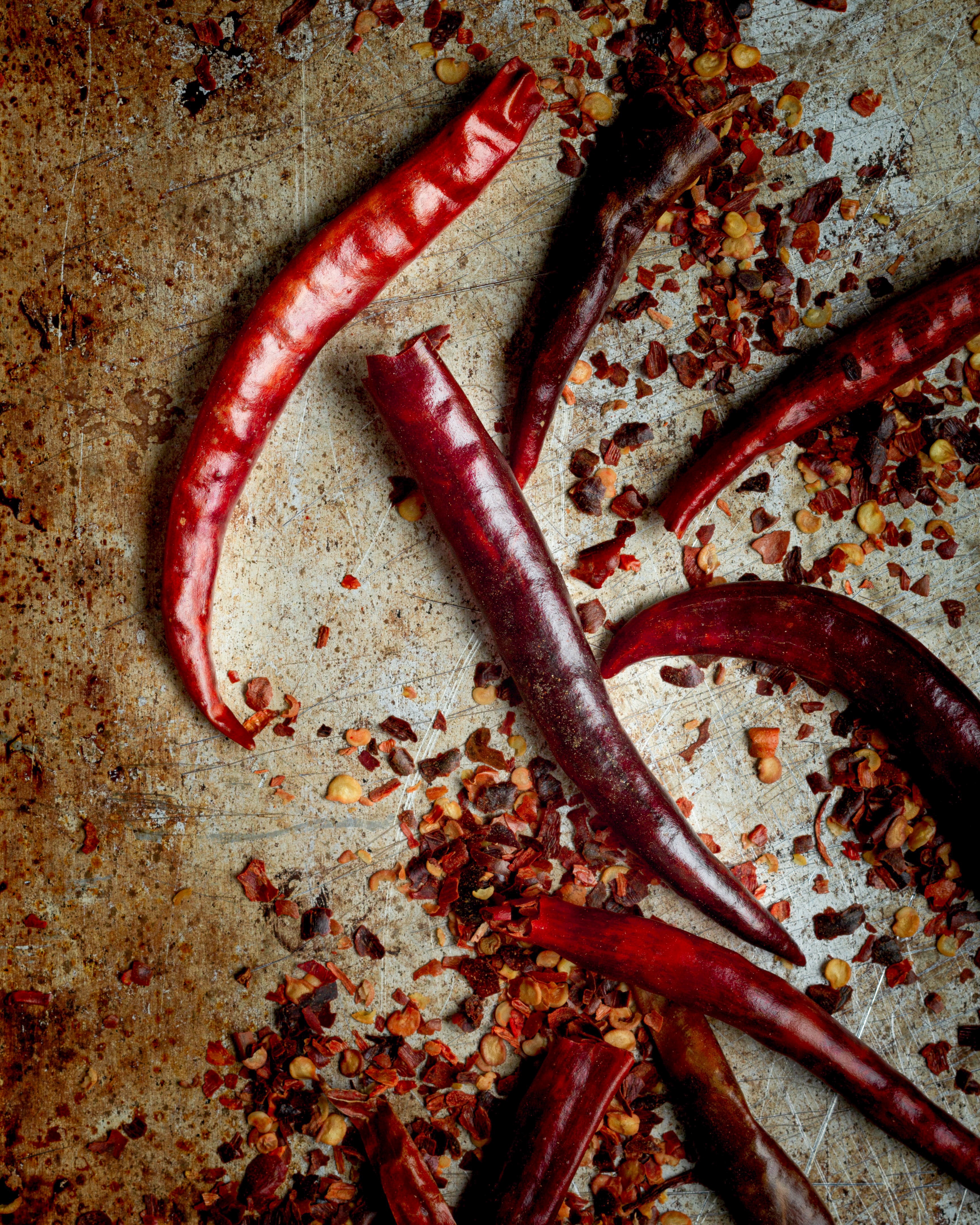
There are certain flavors and tastes that we perceive as warming or cooling. For example, mint, cucumber, and green apples all contain cooling flavors. Cinnamon, chili, and most umami flavors are warming. François Chartier covers this a bit in his book, Taste Buds and Molecules. In colder weather, we crave the warmer side of the spectrum, to contrast the chill that surrounds us. In summer, the opposite is true.
Here I cover just a few basics for finding cold-weather wines. At the end of each section, I’ve included ways to ask your local wine professional for more specific recommendations.
Oak Aged Wines
Aging wine in oak is a practice dating back hundreds of years. The oak is porous, so it allows a tiny bit of oxygen in, which helps the wine slowly develop. But oak can also impart its own flavors to the wine.
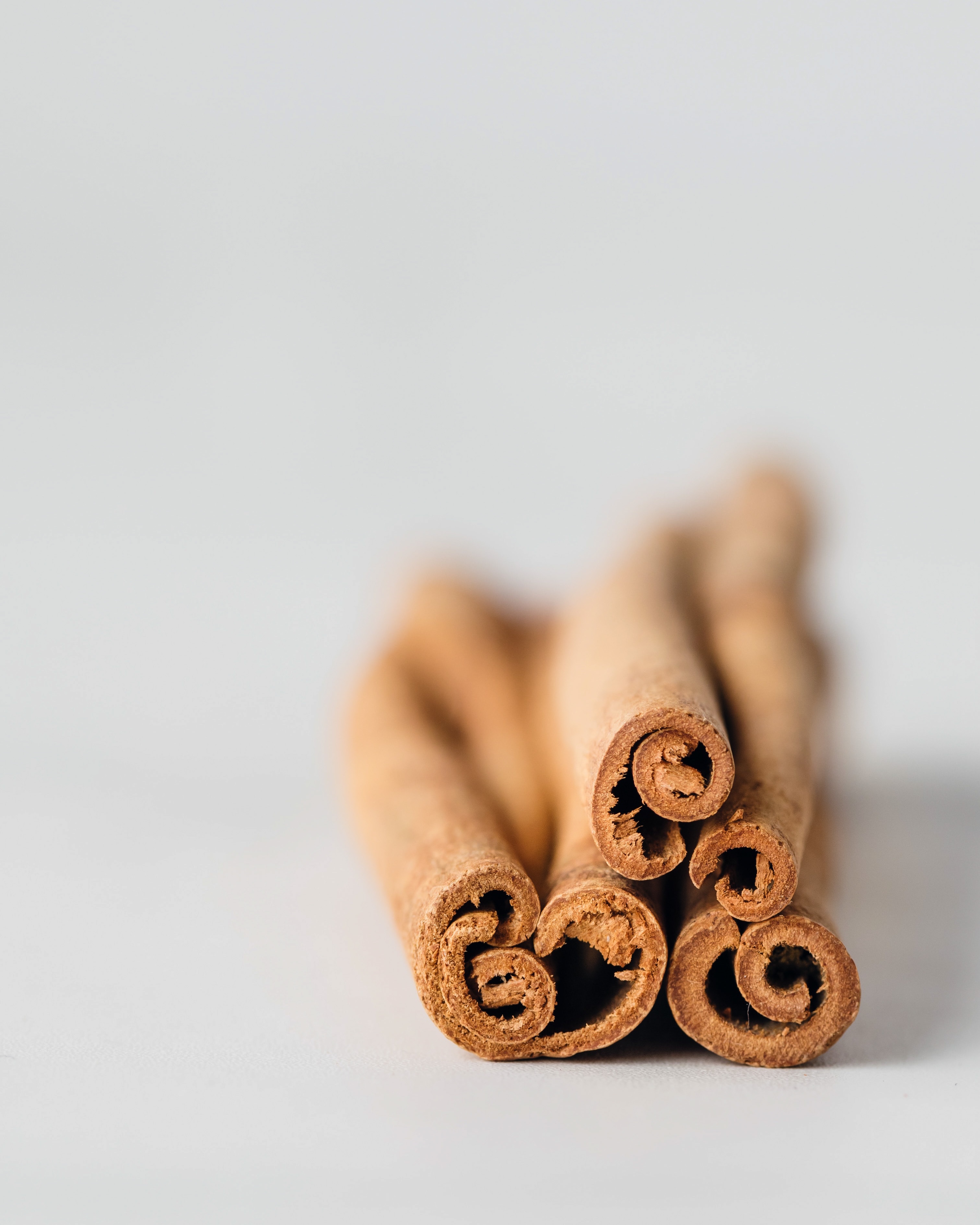
These flavors often include comforting notes of vanilla, baking spices (especially cinnamon, clove, and nutmeg), coconut or smoke. They’ll be more pronounced if the oak barrels are new and on the smaller side (older, larger barrels tend to lose the intensity of these flavors). Any wines that spend time in new oak barrels are eligible for these characteristics, so it doesn’t matter if you prefer whites, reds, rosés or even sparklings.
Just a quick word to the wise: oak barrels, especially new ones, can be expensive. So the associated wines can also fetch a hefty price.
example question for your local wine professional:
“I really love rosés, but I’m looking for more of a winter rosé. Do you have anything that was aged in oak?”
Oxidative Wines
Oak can let very small amounts of oxygen in, but if the wine is overexposed to O2, it’s often considered an undesirable fault. In that case, the wines are said to be “oxidized.”
“Oxidative” wines, on the other hand, are a bit different. They’re made when winemakers purposefully decide to expose a wine to oxygen. When they do, the resulting wines can have really warming flavors including nuttiness (particularly hazelnut and walnut), dried or cooked fruits (like dried apricots or cooked cherries), toffee, caramel, coffee, chocolate or even umami flavors.

The best known oxidative wines are fortified wines like Sherry or Madeira (both of which come in dry and sweet versions). Beyond that, there are a handful of regions and producers making wines with oxidative characteristics: including wines from Jura or Rioja, a few orange wines and some bottlings from natural winemakers.
One more thing – some oxidative notes can slowly start to show as wines age in the bottle. Since bottle aging is a very slow process, though, these flavors only start becoming apparent after quite some time (sometimes it can take as long as a decade or so). Accordingly, they can get quite expensive. But, if you’ve got an older bottle you’ve been hanging on to, plummeting temperatures can be a great excuse to pop that cork.
example question for your local wine professional:
“Today I feel like trying a wine with some oxidative characteristics – something a maybe with some nutty or dried fruit notes. Can you recommend anything along those lines?”
Lees Contact Wines
“Lees” is the term we use to refer to the yeast cells when they’ve finished fermenting grape juice into wine and the alcohol has (whoops) killed them off. So…lees are dead yeast cells.
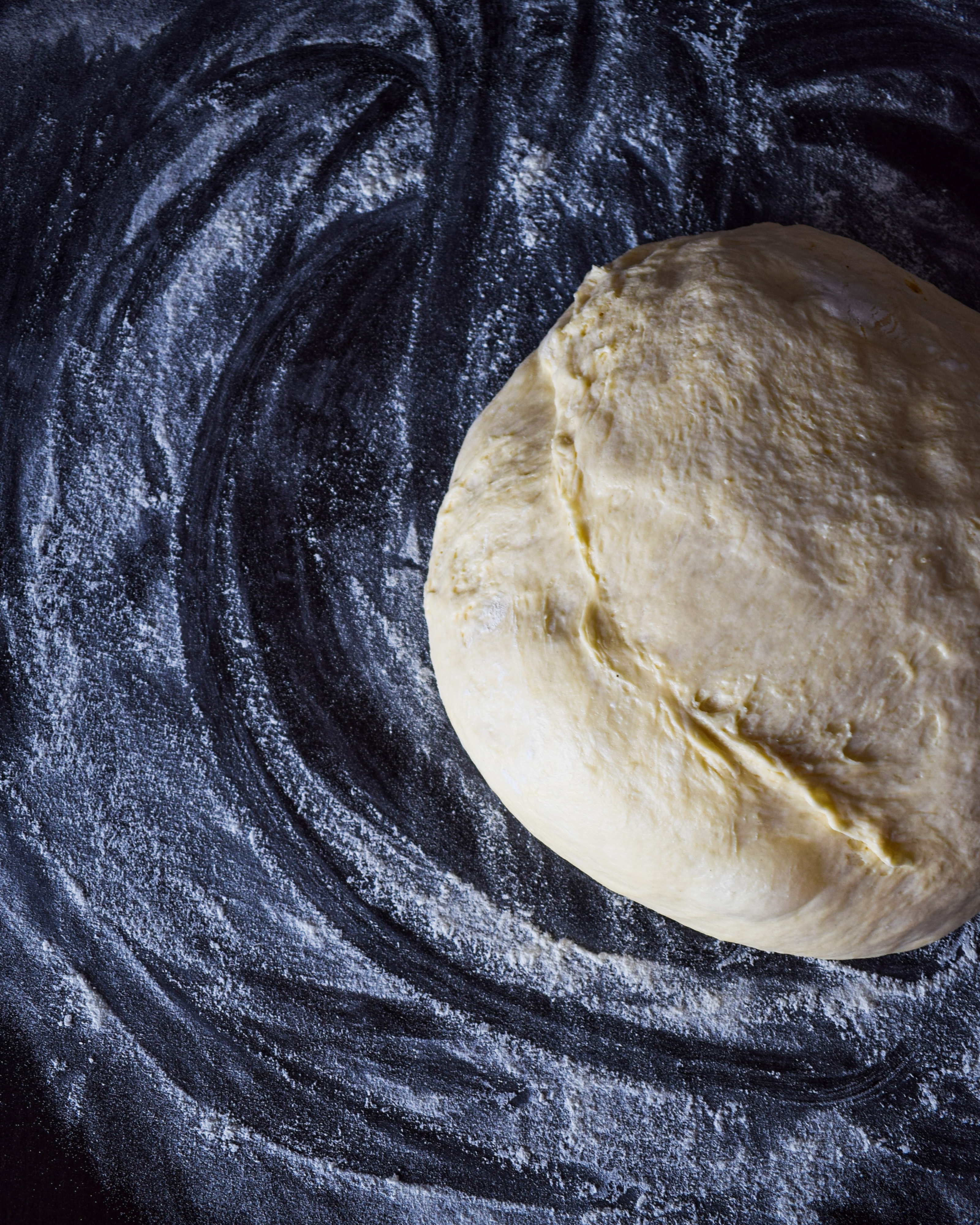
Often, these guys are separated from the wine early on, but some winemakers choose to leave them in contact with the wine. Even though they’ve already finished their job fermenting the juice, the lees can still impart flavor and texture to the wine. (This will be especially noticeable if the lees are regularly stirred up and mixed in – a process called bâtonnage).
The flavors imparted by lees are not dissimilar from the ones you get from other products made by yeast (namely – bread!). You’ll notice cozy flavors of brioche, biscuit, toast, pastry or bread dough. Sometimes, you can also sense a yogurty or even a cheesy note. The textures imparted by lees are equally as comforting – plush, fuller bodies or creamy textures.
Some wines known for their lees aging include Champagne (and other traditional method sparkling wines), Muscadet, and many Chardonnays around the world. Though less common, lees aging does also occur with red wines. Famously, the lees used to make the Italian wine, Amarone, are sometimes used again to impart additional flavor and texture to a new wine: Valpolicella Ripasso.
example question for your local wine professional:
“I’m looking for a textured wine with some yeasty or bready notes. Do you have any wines that have spent extra time on the lees?”
Warming Characteristics in Wine
Lees aging can add both flavors and textures to make wine a bit more winter-friendly. Here are a few other structural aspects that contribute to the warming aspects of wine
fuller bodied wines
I’m not sure why, but as the temperature drops, fuller bodied wines feel more satisfying. This isn’t just true for me, I noticed this trend over years of serving wine table side. Part of it may be that fuller bodied wines can stand up better to heartier food (which we’re more inclined to eat in the winter), but part of it is just the comfort-factor.
Some grapes are commonly made as full bodied wines (Cabernet Sauvignon, Tannat, Marsanne, Rousanne), but a winemaker can also choose to make a fuller (or lighter) bodied wine (to a certain extent). So, it’s always best to specify what you’re looking for with your local wine professional.

higher alcohol wines
I’m not saying check the labels of every bottle and choose the highest one you can find. But alcohol definitely adds a perception of warmth to wine. So if you can’t decide what to drink and it’s an especially cold night, popping that 15% Viognier or the 16% Zinfandel might feel better than opening them in the dead of summer. (Maybe make sure to have extra water on hand, though, to curb that hangover!)
At the End of the Day
As always, if these kinds of wine aren’t your thing, don’t feel bad drinking whatever you want with what you’re eating. These are just tips for those looking to tailor their wine drinking to the season. If you’ve stocked up on your favorite summer wine and feel like opening it for winter lockdown, do you. And don’t let anyone tell you it’s wrong!


 celeste radosevich
Cute, right? I loved that photo when I saw it on Unsplash.com 🙂
LikeLike
Very interesting as always Celeste. Love the table decor- that gold bike!
LikeLike