7 minute read
jump to section: researching | wineries & retail | restaurants | packing
Soo…I accidentally took a long break from the blog the past few weeks. (And I may have been hiding from social media due to that fact.)
After too many years of seeing neither of our families, my husband and I decided we’d had enough. We booked our trip to the UK in September and spent a couple of blissful months being overly excited about spending the holidays with his family in Cornwall. Little did we know Omicron would blow up and it would be the most stressful travel experience we’ve had (and we both have traveled a fair bit).
But before we weathered several mini-crises and shelled out more money than we’d like to admit on PCR tests and quarantine accommodations, I had grandiose plans of stocking up on English wine while we were there. That didn’t quite work out, but it did get me thinking about how I go about researching local wines to try in the country I’m visiting. I’m painfully aware that carefree travel is still out of reach for most of us, but here are a few tips for when it’s not (here’s hoping it’s in 2022!).
Researching local wines
For me, one of the most accessible ways to discover new wines is through newspapers and online magazines. Decanter, Wine Spectator, Wine Enthusiast, Wine Anorak and SevenFifty Daily are some of the most popular sources out there, but I also love turning to the wine columns of England’s The Times, Jancis Robinson’s reknown eponymous website, and Dr. Jamie Goode’s blog. Back home, I find always learn something new from Erik Asimov’s articles in The New York Times. And my friend, Ellen Bhang’s, writings for The Boston Globe and The Food Lens are not only approachable, but educational, too. Just search for the country or region you’re interested in along with the name of the author or publication. You’re bound to find a few good reccommendations.
Wineries and Retail Stores
Once I’ve settled on a few things I might like to try, I do a quick internet search for both the winery and retailers. As an American, I’m still amazed by how many wineries are within hours (sometimes minutes!) of many vacation destinations. If time, schedule and resources allow, definitely opt for the winery. Not only is the wine often cheaper, but many wineries have tasting rooms or even restaurants where you can try several of their bottlings. If you’re really keen, ask if they offer tours, which can be lots of fun and even educational.
If I can’t make it to a winery, I look for retailers within 30 minutes of where I’m staying. A lot of them will have their product list on their website, too. When you arrive, though, it’s always a good idea to chat with the staff on hand. Give them an idea of what you’re looking for – sometimes they’ll have new or rare wines to recommend.
Restaurants
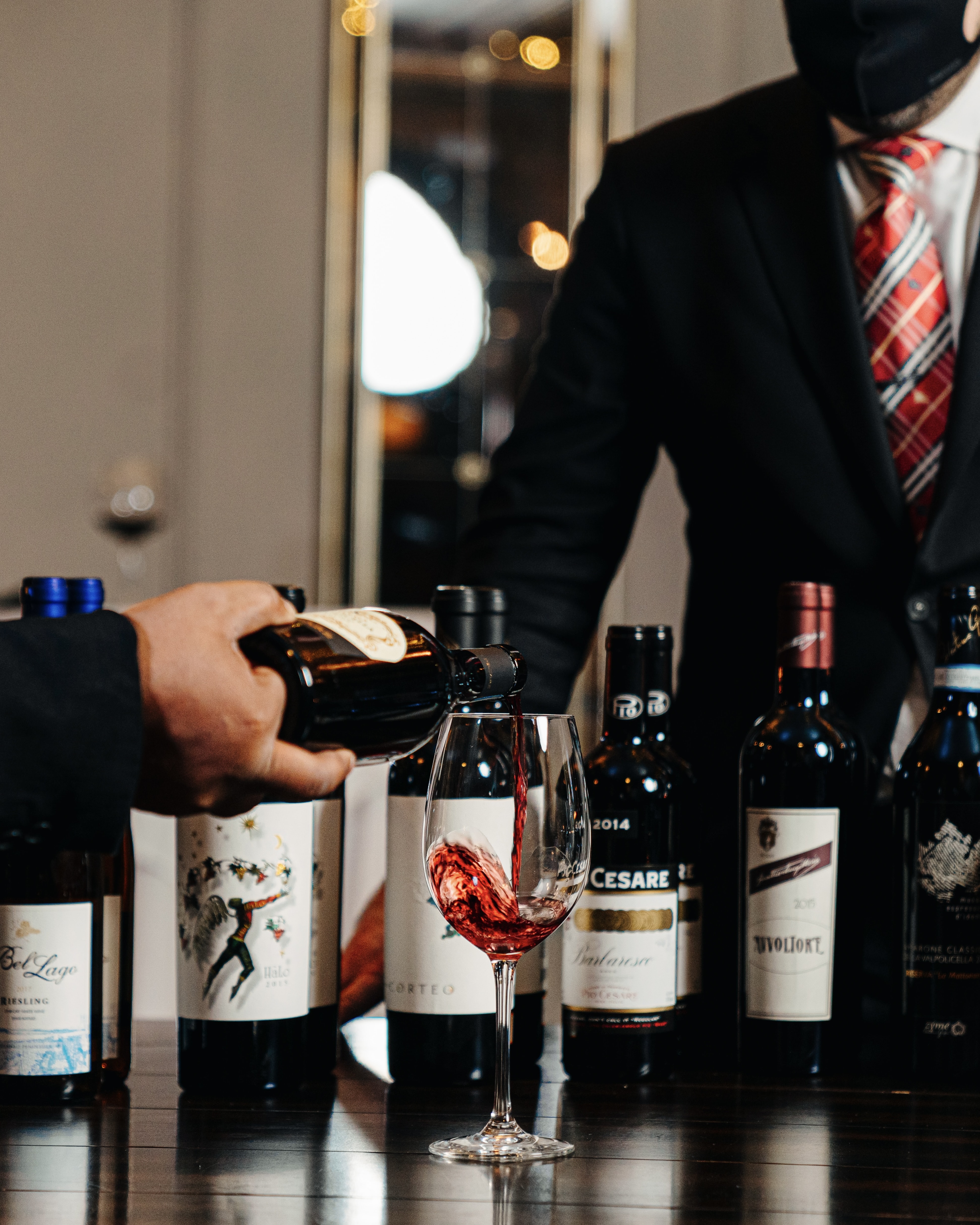
Restaurants are one of the best ways to try new wines, but these experiences can also come with a hefty price tag. Not only has the pandemic been really rough on restaurants, but even pre-Covid, locations with a substantial wine program have always had at least one person who is charged with curating and managing that program. So when you dine there, you’re paying for that expertise along with the cost of your wine and meal. But if you can swing it, it’s a great way to get up close and personal with a local professional.
It’s pretty easy to find articles and lists rating and raving about the best restaurants in different cities and regions. Once you’ve narrowed down your search, you can take a quick peak at their wine list online to see what they offer (this also helps if you’re specifically looking for regionally-specific wines). When you arrive, either choose something you’ve had your eye on or chat with the server or sommelier to see what they recommend. Many restaurants offer tasting menus, or can recommend wines they offer by the glass so you can try several.
Price
Don’t be afraid to talk price, no matter where you go. Be frank about what you’re willing to pay upfront. Many feel awkward doing this, but rather than being a hindrance to sales, I find this to be helpful for almost all wine professionals. For Americans (and often Scandinavians, too) traveling in Europe, the wines seem absurdly cheap, which can be misleading, since there are plenty of tasty things to try at those lower price points. For Europeans traveling to the US or Scandinavia, good wine can seem impossibly expensive. To get a sense of your own price point, try searching for one of your favorite wines online using the local verb for “to buy” (eg: In Germany “Nik Weis Riesling kaufen”). This works best when you’re on site, since your VPN will be local too. Don’t forget to factor in your exchange rate. Buying wine in England seemed like a great deal until I remembered how strong the British pound is!
Packing wine
Before you start buying wine to take back home, be sure to check with the legal regulations around this issue. Most countries will remind you you’re not allowed to sell the products you’re transporting and that you must transport them yourself (no wine mules, guys). Depending on the country (and even the US state), sometimes you may also have to pay taxes or duties on what you’re carrying. For most of the places I’ve been, though, I’ve packed more than a couple bottles in my checked luggage without issue or cost.
Lots of people are terrified of packing wine, but it’s actually fairly easy to do. First thing’s first, though: before you travel anywhere, pack for your trip with enough space for the number of bottles you hope to buy. This is an essential step to avoid paying for an extra checked suitcase (both the luggage itself and the airline fee). If you’re unsure and don’t mind paying that extra airline fee, maybe bring a collapsible duffle bag along. It’s saved me from buying extra luggage a few times. Another pro tip: take a luggage scale with you. Wine bottles weigh a lot and can quickly push luggage over the airline’s weight limit if you’re not strategic.

As for actually packing: first, place the wine in a couple of plastic grocery bags, this will help protect the rest of your items in a worst case scenario. Then, if you have access to it, wrap it in a bit of bubble wrap. If not, no problem, just swaddle it tightly in towels or clothing until the padding is at least an inch thick. Pack your suitcase or bag about halfway full, placing the softest items away from the edges. Lay the bottle(s) in the center and continue packing, again surrounding the wine by the softest items. You don’t want bottles touching each other or any other hard object that might compromise their integrity. Also, try to pack so that your suitcase or bag is as full as possible without bursting or being over the airline’s weight limit – hopefully using mostly soft items. This way, your wine will stay put no matter how much they jostle your bag. You definitely don’t want it too full, though, or you risk too much extra pressure on your bottles.
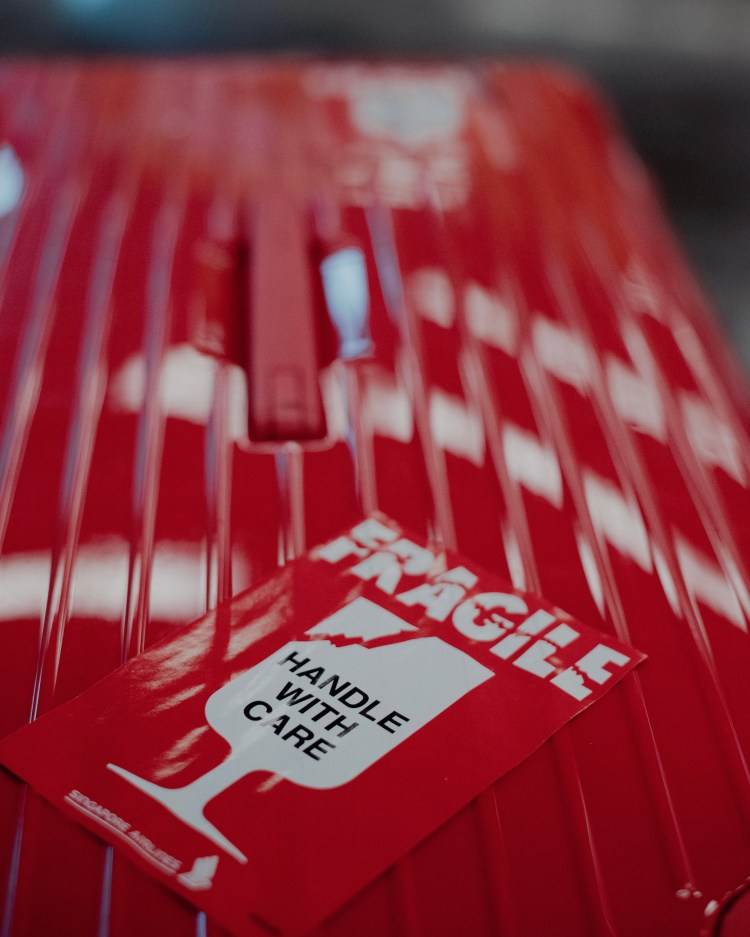
Finally, when you’re checking your bags at the airport, ask the staff to place a “Fragile” sticker on your luggage. It’s not a guarantee of special treatment, but it alerts the staff to be a bit gentler and will often mean your luggage is loaded last and unloaded first.
Have fun!
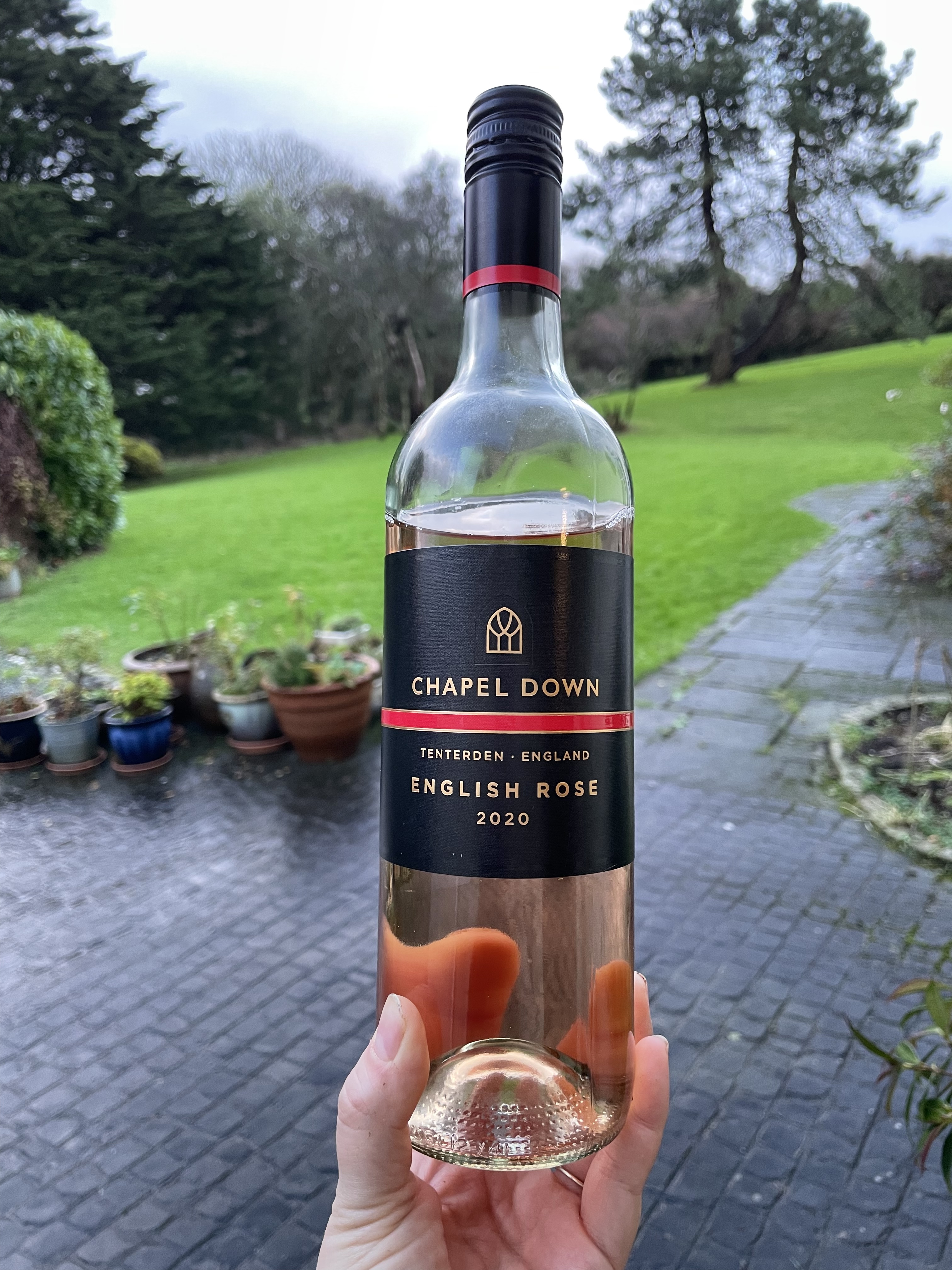
Travel is already fun for many of us (as long as you’re not quarantining or having a bunch of cotton swabs shoved up your nose). But it’s also an excuse to branch out from what you’d usually drink. Be open to finding gems in unexpected places. On this last trip, I discovered that the rest stops on the UK’s M5 actually sell some decent wine! And I snatched up a juicy English rosé to sip while we prepared our Christmas dinner at home. It definitely made those quick pit stops much more exciting. Cheers!